




26 September 2024
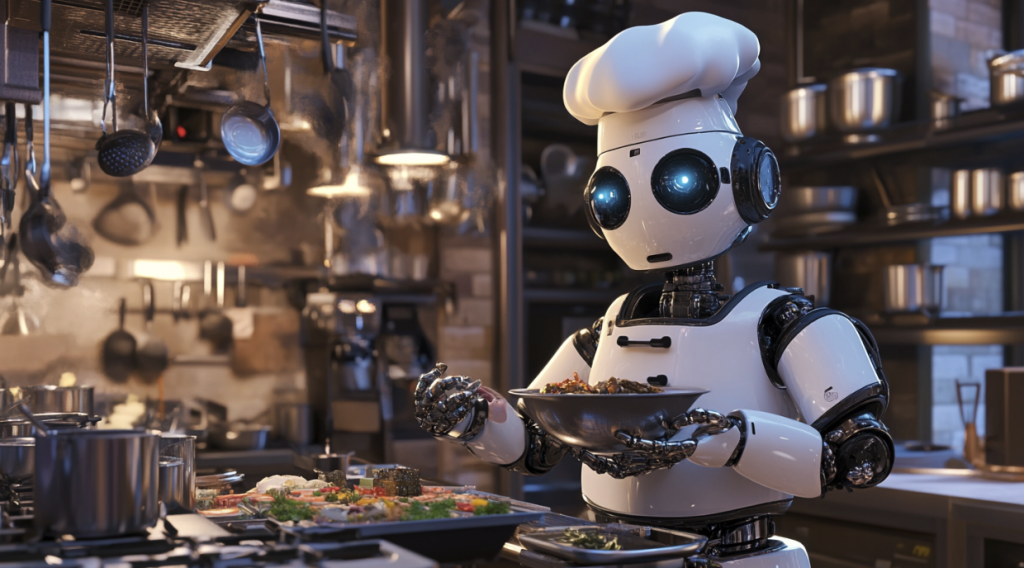
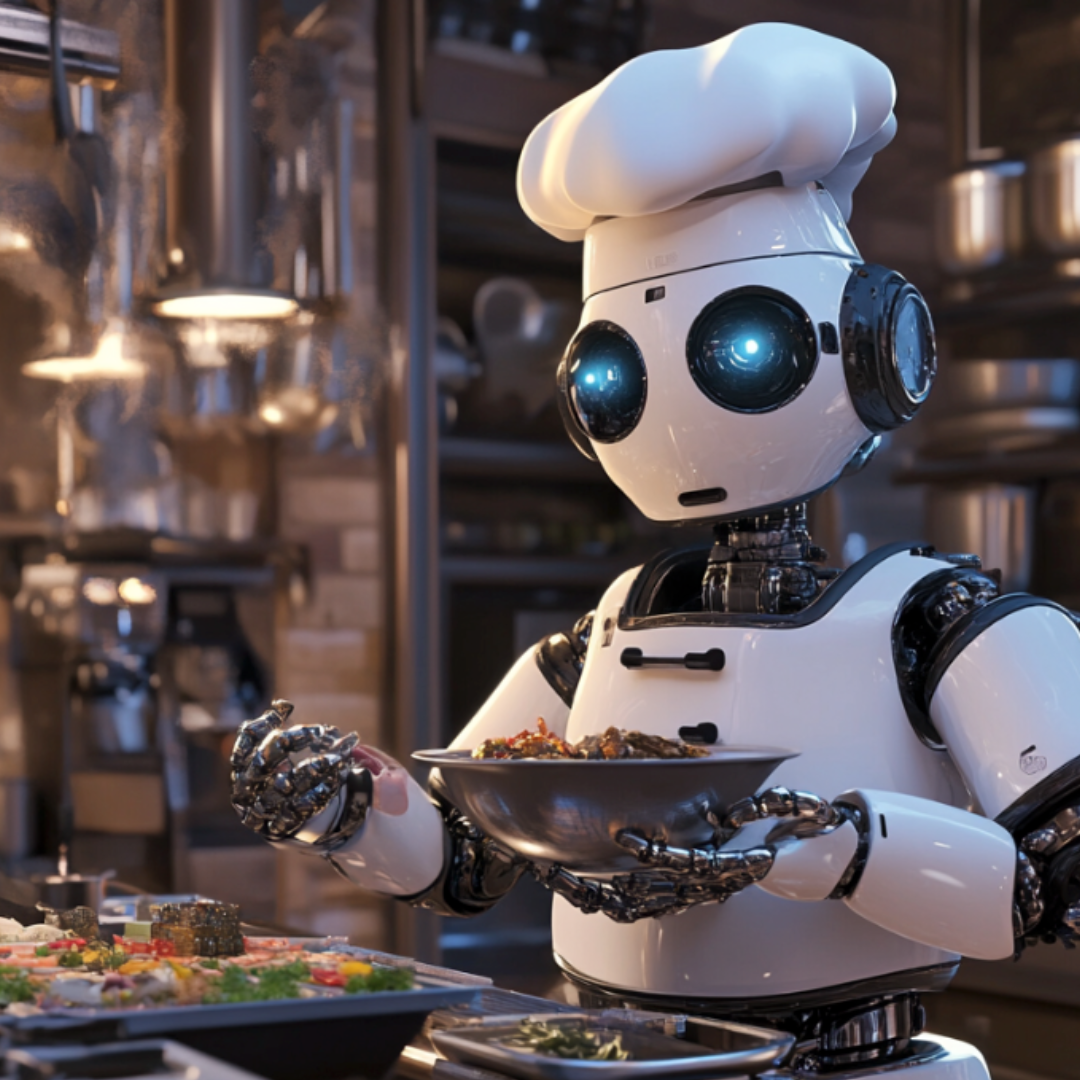
The rise of AI in the kitchen: Can robots create recipes that taste good?
Have you ever wondered what it would be like if artificial intelligence designed your pizza? From AI-generated recipes in top restaurants to major retailers using AI to predict food trends, technology is changing the culinary world. But the question remains: can AI really cook up something delicious, or is this a recipe for disaster?
The role of AI in culinary innovation
Artificial intelligence, particularly tools like ChatGPT, is making waves in the food industry. Restaurants are now using AI to analyse thousands of recipes and suggest creative flavour combinations that might not occur to human chefs. One standout example is Dodo Pizza in Dubai, where head chef Spartac challenged AI to create a pizza representing Dubai’s cultural diversity. The result? A surprising combination of shawarma chicken, grilled paneer, za’atar, and tahini sauce—an instant hit! This AI-designed pizza is still on the menu today and has become a customer favourite.
AI wins and fails in recipe creation
But AI doesn’t always nail it. While Dodo Pizza found success with their multicultural creation, they also experienced some AI-generated disasters, like a pizza with strawberries and pasta, or even worse, one with blueberries and breakfast cereal. Similarly, in the US, Velvet Taco in Dallas asked AI to help design a taco of the week. Among AI’s quirky suggestions, one recipe—prawn and steak tacos—was a massive success, selling 22,000 in just one week! Venicia Willis, Velvet Taco’s Culinary Director, is clear that while AI can boost creativity in recipe creation, it cannot replace the human element. Food, after all, requires human intuition to ensure ingredients come together harmoniously.
AI’s impact beyond the kitchen: Predicting food trends
AI’s influence goes beyond just recipes. Retailers like Waitrose are using AI to spot rising food trends, such as the recent surge in popularity of Smash Burgers. By analysing social media patterns, Waitrose was able to introduce their own version of the trendy burger, staying ahead of the competition. This demonstrates AI’s ability to not only create but also capitalise on emerging culinary trends.
The human touch is still essential
While artificial intelligence is making a mark on the food industry, it’s clear that AI-generated recipes still need human oversight. Chefs like Julian De Feral, a cocktail creator in London, are sceptical, arguing that AI lacks the common sense and intuition required for culinary creativity. After all, AI simply pulls from data, often relying on existing recipes or food blogs, which raises ethical questions about originality.
In conclusion, AI’s role in the culinary world is evolving, bringing a mix of innovation and bizarre combinations. While AI can inspire fresh ideas, the human touch is still crucial to ensure the final dish is both delicious and marketable.Curious to see AI in action in the kitchen? Watch our Lesson Hacker video HERE.
For more Lesson Hacker Videos check out the CraignDave YouTube playlist HERE.
Visit our website to explore more cutting-edge tech-transforming news in the computer science world!