




26 November 2024
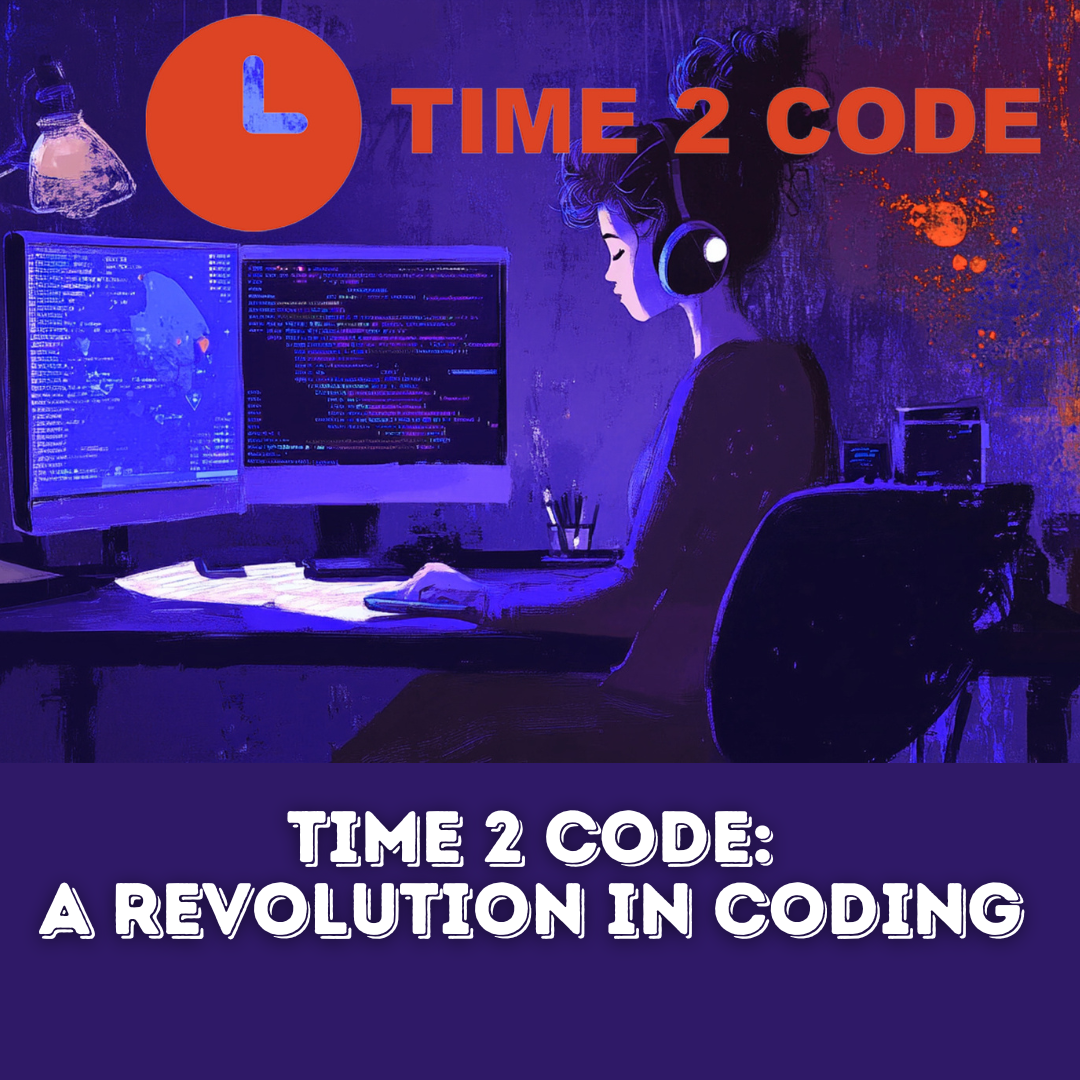
In an increasingly digital world, coding is fast becoming a must-have skill. But how do we make learning to code accessible for all students, no matter their level of ability? Time 2 Code, an innovative program created by Craig’n’Dave, offers a game-changing approach that empowers students to learn coding at their own pace, making the process not only effective but enjoyable.
What is Time 2 Code?
Time 2 Code is designed to meet the needs of students at different skill levels. Whether a student is completely new to programming or has some experience, this programme ensures that learning is both structured and flexible. It builds upon the UK National Curriculum, with a clear focus on progression through Key Stage 3 and 4 coding concepts like loops, arrays, and functions.
One of the standout features is its interdependent learning model. Instead of teachers standing at the front of the class and walking everyone through the same lesson, students can work through video tutorials, practical coding exercises, and assessments independently. This way, faster learners aren’t held back, while those needing extra help can get the individual support they need.
A flexible, student-centred approach
Time 2 Code follows a carefully designed structure, with students moving through different levels, from basic concepts like sequences and iterations to more advanced techniques involving arrays, strings, and file handling. By focusing on independent learning, it allows students to master topics at their own pace, ensuring no gaps in their understanding as they progress.
What sets Time 2 Code apart is its practical and engaging content. The programme combines video demonstrations with coding exercises that allow students to explore programming in a way that is both interactive and challenging. As students move forward, they are assessed on their ability to apply the skills they’ve learned, ensuring deep comprehension of the material.
Why Time 2 Code works
Research shows that students learn best when they are actively engaged in the material, and Time 2 Code’s approach ensures exactly that. It blends self-directed learning with structured assessments, making sure that students have the autonomy to learn but still receive the guidance they need at critical points.
The result? More confident, capable coders who are not only prepared for their GCSEs but for the future workplace as well. We love it over here at Craig’n’Dave, and we are sure you will too.
Get Time 2 Code – It’s FREE
Time 2 Code offers a rich, flexible way to teach coding that can benefit every student, regardless of their starting point. If you’re a teacher looking for a fresh, effective way to engage your students in coding, visit the Craig’n’Dave website to try out Time 2 Code for free today.