


Back

One charger to rule them all?

3 December 2024

The UK’s Move Towards USB-C.

Today, we’re tackling a common conundrum: chargers. Why so many different ones? And is the UK finally moving towards a universal solution, or will things stay tangled? Let’s dive into the ongoing debate over USB-C.

Why USB-C?

USB-C wasn’t always the go-to. We’ve seen everything from mini-USBs to proprietary cables like Apple’s Lightning. But USB-C arrived with a vision: one cable to charge everything. This port is versatile, offering faster charging, quicker data transfers, and a reversible design—no more fiddling in the dark to get it right! But, not all USB-C ports offer the same capabilities. For instance, a MacBook’s USB-C might support Thunderbolt technology, allowing super-fast data speeds and even external graphics card support. Your budget smartphone’s USB-C? It may only offer basic functionality. So, while the USB-C port might be universal, what it can do varies widely.

Is the UK on board?

With the EU already mandating USB-C, the UK is considering doing the same. If adopted, the standard could mean fewer chargers and less clutter. But in reality, companies are already making the switch due to global trends. Apple, for example, has dropped its proprietary Lightning cable for USB-C with the iPhone 15. So, UK regulations may not be a game-changer here.

The environmental impact

One key argument for a USB-C standard is cutting down e-waste. It’s estimated that there are 600 million unused cables lying around in the UK! A universal standard could reduce this number by lessening the need for multiple chargers. However, as people toss older cables, we might see an initial spike in e-waste.

The innovation dilemma

Standardisation could also slow innovation. Imagine if we’d settled on a single charger a decade ago—would USB-C even exist? There’s a risk that locking into one standard could stifle manufacturers from developing new technologies.

So, will USB-C rule them all?

It seems likely that USB-C will be the global standard for now, whether the UK enforces it or not. While it simplifies things, USB-C doesn’t solve every issue—charging speeds and capabilities still vary. So, don’t throw out those old chargers just yet. They might still come in handy!

Ready to learn more?
For a deeper dive into the UK’s tech scene and more tech insights, watch The Lesson Hackers video on this topic HERE.

Be sure to visit our website for more insights into the world of technology and for the best teaching resources for computer science and business studies. Stay informed, stay curious!

Related posts

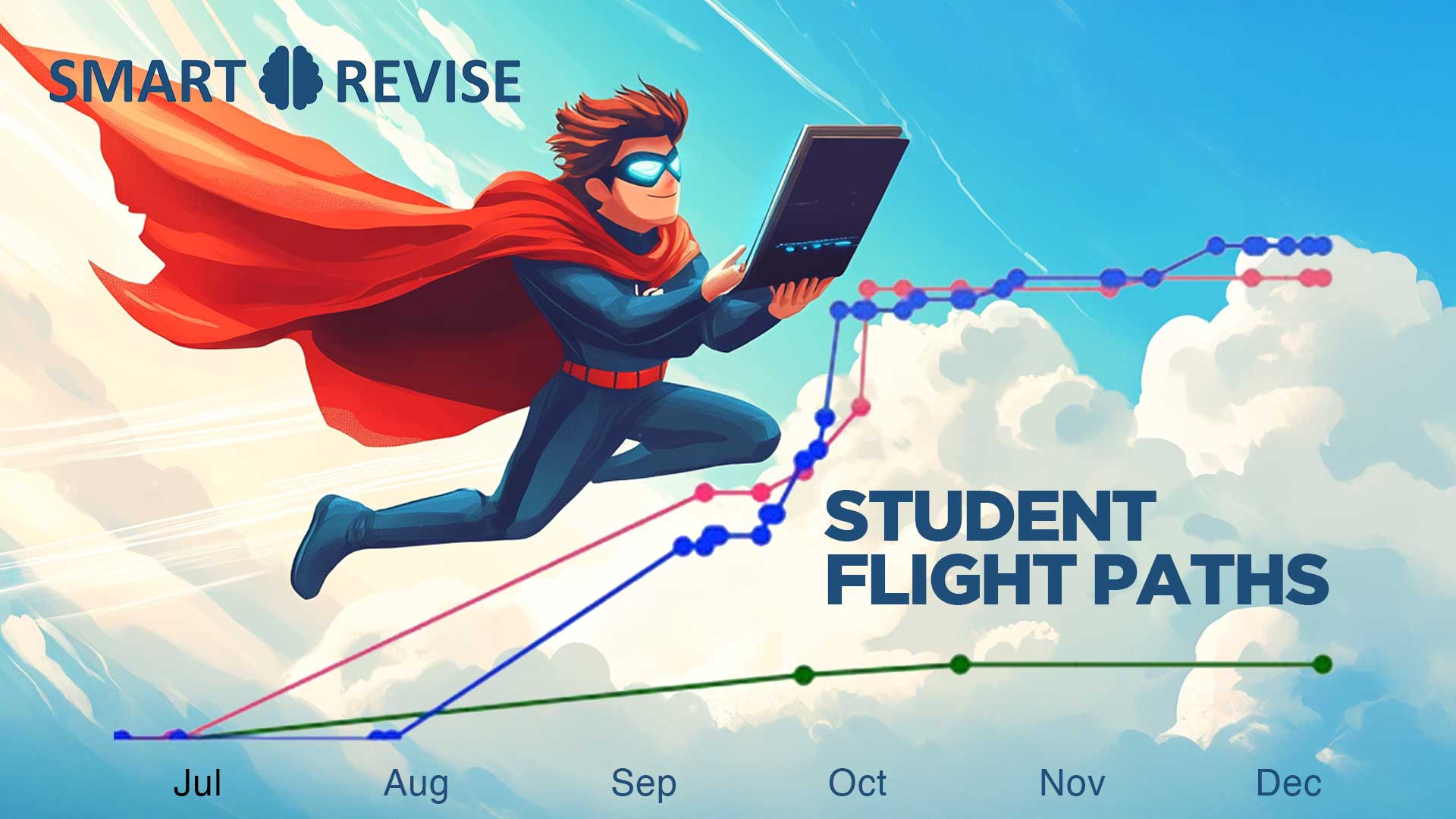
What does the data on a student flight path mean? 

Flight paths in Smart Revise track student progress across quizzes, terms, and advanced written answers, providing a clear view of their learning journey. Learn how you can analyse detailed data, set target zones, and guide students to optimise their revision for maximum success.

4 March 2025

Craig ‘n’ Dave Newsletter: February 2025

In March we’re introducing a fresh new look to Craig’n’Dave. New logo, new website and new membership options. While modernising […]

3 March 2025

I’ve lost control of my own DNA

DNA kits are fun until you wonder where your data goes. From quirky ancestry facts to privacy risks, there’s more to it than spitting in a tube! Learn how to protect your genetic data.

18 February 2025

What are the benefits of studying OCR Computer Science GCSE?

OCR GCSE Computer Science develops problem-solving and logical thinking, paving the way for tech careers and more.

11 February 2025

Is the Digital Pound the future of UK currency?

The UK’s digital pound promises faster, safer payments—but at what cost? With privacy concerns and the risk of leaving cash users behind, is this the future of money or a step too far? Dive into the debate and discover what it really means for you.

4 February 2025

Craig ‘n’ Dave Newsletter: January 2025

This month, We share our thoughts on BETT 25, talk about computing teaching news and what events we will be attending this year. We discuss VEX robotics, Changes to the Lesson Hacker series and the new Smart Revise blogs.

31 January 2025

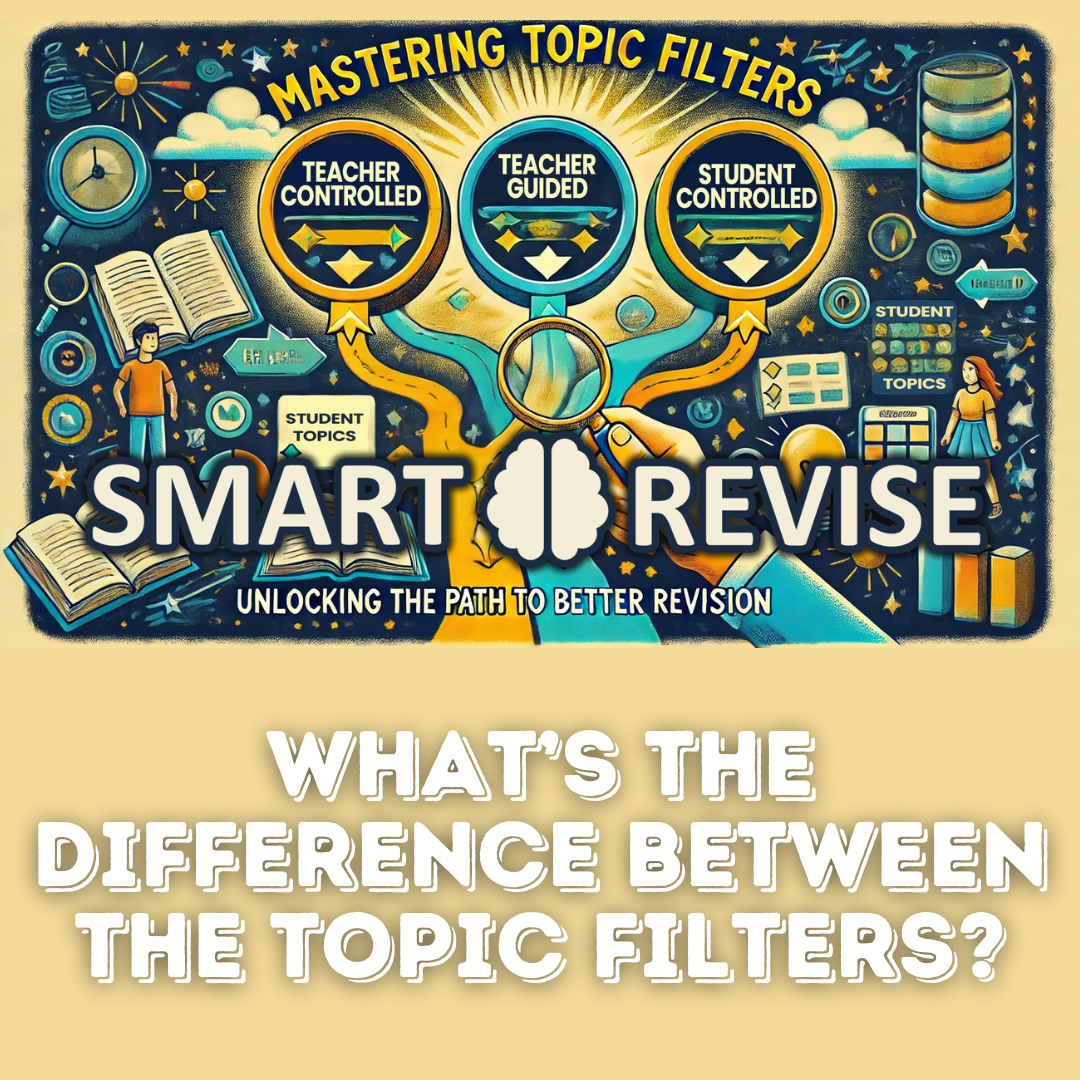
What’s the difference between the topic filters in Smart Revise?

Smart Revise’s filters—Teacher Controlled, Teacher Guided, and Student Controlled—help balance focus and flexibility. Teacher Controlled prioritises new topics and spaced learning, while Guided or Student filters suit test prep or final revision. Avoid “blocking” by encouraging interleaving for better long-term retention.

28 January 2025

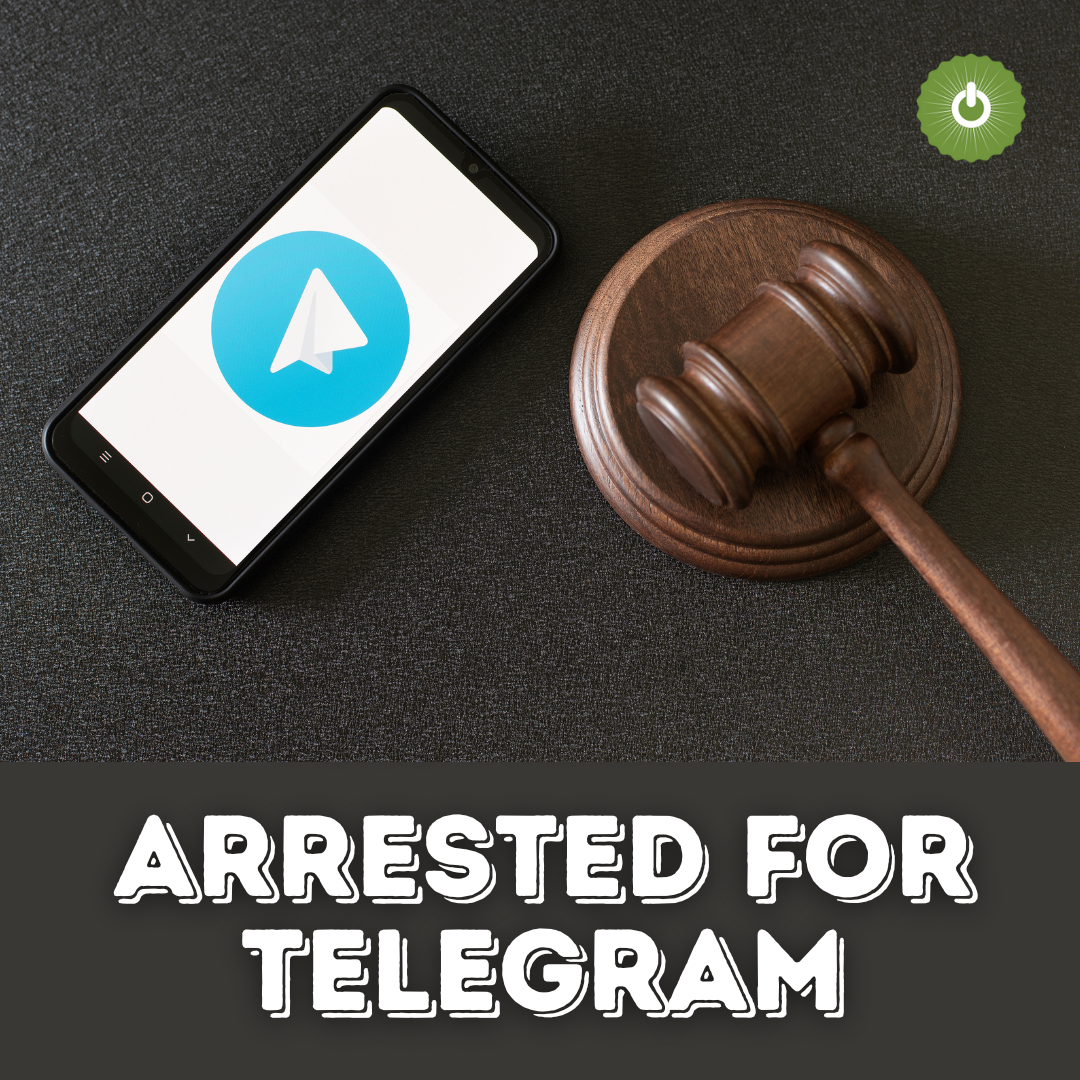
Pavel Durov’s Arrest: The Future of Privacy and Telegram

The arrest of Pavel Durov, Telegram’s founder, has raised critical questions about the balance between privacy and responsibility online. As Telegram faces accusations of enabling criminal activity, the case could set a precedent for tech CEOs and the future of secure messaging platforms.

21 January 2025

Can You Spot the AI? The Rising Challenge of AI-Generated Faces

AI-generated faces are becoming harder to spot, with a recent study showing a 65% misidentification rate. While the technology offers exciting possibilities, it also raises concerns about bias and misuse.

14 January 2025