





31 December 2024
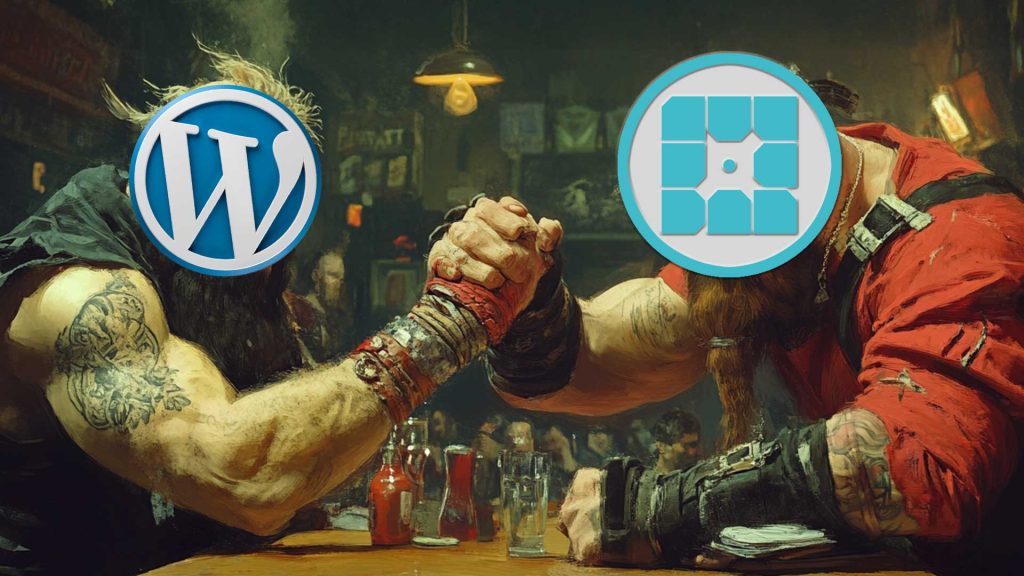
In the tech world, even the most popular platforms can find themselves in unexpected conflicts. Today, we’re diving into the drama between WordPress and WP Engine, exploring how a disagreement over open-source principles has turned into a legal standoff.
The surprising power of WordPress
WordPress powers an impressive 40% of the internet. From personal blogs to corporate websites, it’s the go-to platform for millions. Part of its appeal lies in being open source, meaning the code is free for anyone to use and modify. Think of it as a collaborative coding project where everyone is invited to contribute. However, this spirit of community sharing is now being tested.
The split personality of WordPress
WordPress isn’t just one entity; it has a dual nature. On one side, there’s WordPress.org, a non-profit that offers free access to its code. On the other, we have Automattic, a for-profit company that offers paid services based on WordPress’s open-source platform. This creates an interesting dynamic where WordPress has to balance community ideals with business interests.
WP Engine vs. Matt Mullenweg: The feud begins
WP Engine is a major hosting provider for WordPress sites, helping users get their blogs, e-commerce stores, and other websites online. However, Matt Mullenweg, co-founder of WordPress, recently criticised WP Engine, accusing them of taking advantage of the open-source code without giving back enough to the community. He went as far as to call WP Engine “a cancer” on WordPress.
WP Engine was quick to respond, insisting they contribute significantly by maintaining sites, optimising performance, and providing customer support. They claim they’re already giving back to the WordPress ecosystem in many ways.
Escalating tensions: Blocking and lawsuits
To retaliate, Mullenweg took a bold step: he blocked WP Engine from using certain WordPress features. This decision caused major disruption, leaving many businesses uncertain if their sites would continue to function properly. For companies like Tricia Fox’s in Scotland, this disruption has meant unexpected costs and hours of extra work to keep things running smoothly.
Now, the conflict has moved to the courtroom. WordPress wants WP Engine to pay for using its trademark, arguing that they profit from the WordPress brand. WP Engine, in turn, has filed a lawsuit accusing WordPress of extortion and libel.
What does this mean for the open-source community?
The heart of the issue is open source itself. WordPress aims to “democratise publishing,” but its actions against WP Engine raise concerns about whether it’s staying true to that mission. The irony of two tech giants clashing over a platform designed to be free and open is not lost on the community. It’s a reminder that as open-source projects grow, they often face challenges balancing ideals with commercial realities.
Want more tech drama?
This isn’t just a story about two companies; it’s about the evolution of one of the internet’s most influential platforms.
For a deeper dive into this unfolding drama, watch the full video on the Craig’n’Dave YouTube channel.

If you’re interested in more insights and resources, visit the Craig’n’Dave website for exclusive content tailored for computer science enthusiasts.