




Back

Has AI and tech ruined sport?

19 November 2024

This is a topic that sparks a lot of debate: technology in sport. Some fans say tech is ruining their beloved sports, while others believe it’s making it fairer and more exciting. Let’s unpack how technology like Hawk-Eye, VAR, and AI have transformed the world of sports, for better or worse.

Precision or frustration?

Tennis fans are in for a big change. Wimbledon’s line judges are being replaced by Hawk-Eye technology—a camera system that makes precise calls on whether a ball is in or out. While this guarantees accuracy, something vital is lost: the drama. Remember when a player would challenge a call, and the crowd would hold its breath? Now, it’s simply “The computer says it’s out.” Accurate? Yes. Thrilling? Not so much.

Football’s introduction of VAR (Video Assistant Referee) was meant to correct bad calls. But has it made the game more enjoyable? While it does improve fairness, it’s hard to ignore the frustration when a game grinds to a halt for a five-minute review over whether someone’s toenail was offside. The precision is great, but the momentum of the game? That’s often the real casualty.

Data and AI: The future of fan engagement

Beyond refereeing tech, AI and data analytics are reshaping how fans engage with sport. Companies like Opta track everything from player speed to match predictions, turning sport into a data-driven experience. While it’s a different way of connecting with the game, some fans miss the messy, emotional moments that stats can’t capture.

So, Has tech really ruined sport?

Not quite. Technology hasn’t killed sport—it’s evolved it. The drama may now lie in data points and AI predictions instead of human error, but the heart of sport remains. Whether you’re shouting at a referee or a computer, the passion is still there.

Watch the full video on our channel to dive deeper into how tech is transforming sport.

For more Lesson Hacker Videos check out the CraignDave YouTube playlist HERE.

Visit our website to explore more cutting-edge tech-transforming news in the computer science world!

Related posts

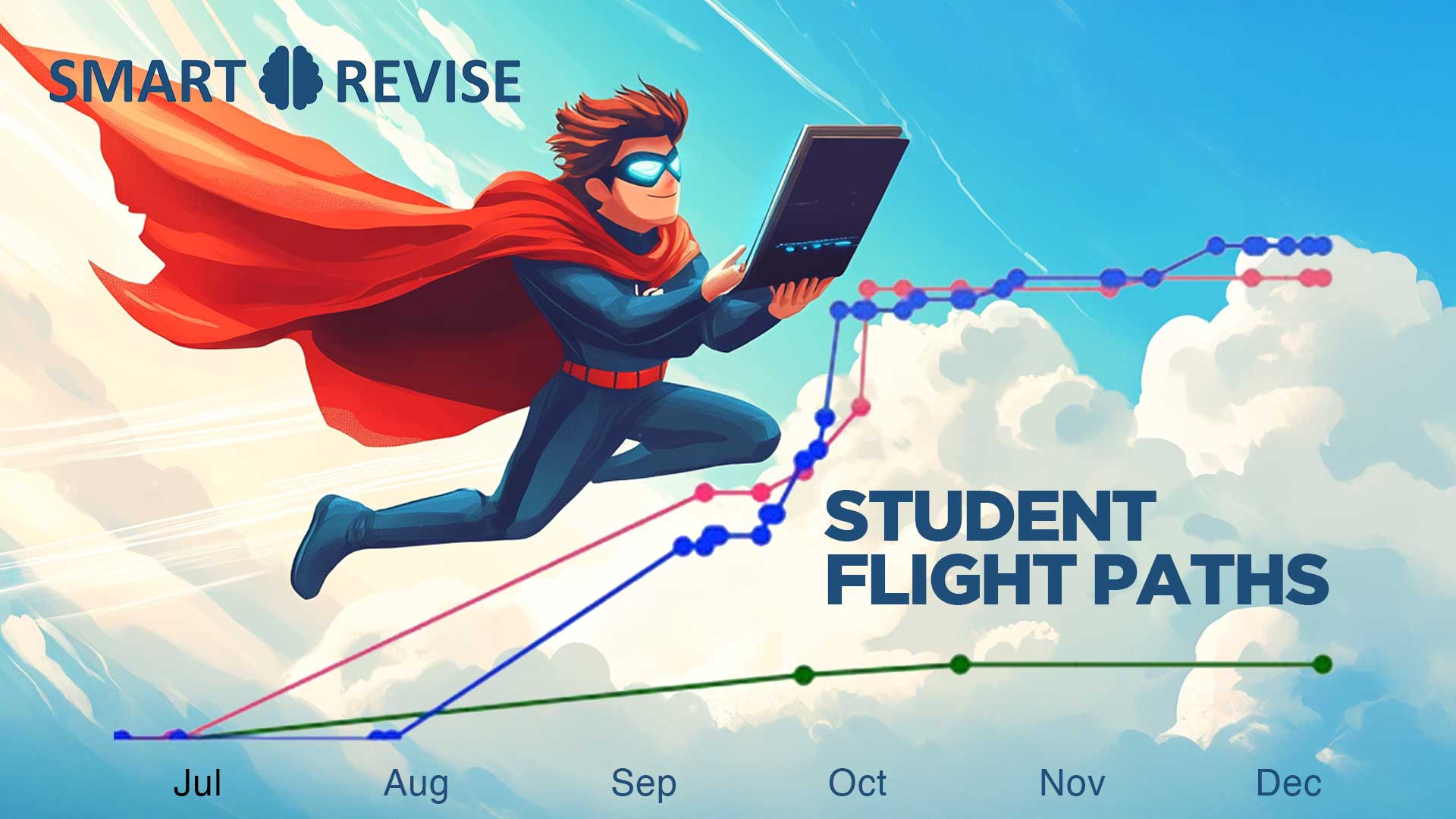
What does the data on a student flight path mean? 

Flight paths in Smart Revise track student progress across quizzes, terms, and advanced written answers, providing a clear view of their learning journey. Learn how you can analyse detailed data, set target zones, and guide students to optimise their revision for maximum success.

4 March 2025

Craig ‘n’ Dave Newsletter: February 2025

In March we’re introducing a fresh new look to Craig’n’Dave. New logo, new website and new membership options. While modernising […]

3 March 2025

I’ve lost control of my own DNA

DNA kits are fun until you wonder where your data goes. From quirky ancestry facts to privacy risks, there’s more to it than spitting in a tube! Learn how to protect your genetic data.

18 February 2025

What are the benefits of studying OCR Computer Science GCSE?

OCR GCSE Computer Science develops problem-solving and logical thinking, paving the way for tech careers and more.

11 February 2025

Is the Digital Pound the future of UK currency?

The UK’s digital pound promises faster, safer payments—but at what cost? With privacy concerns and the risk of leaving cash users behind, is this the future of money or a step too far? Dive into the debate and discover what it really means for you.

4 February 2025

Craig ‘n’ Dave Newsletter: January 2025

This month, We share our thoughts on BETT 25, talk about computing teaching news and what events we will be attending this year. We discuss VEX robotics, Changes to the Lesson Hacker series and the new Smart Revise blogs.

31 January 2025

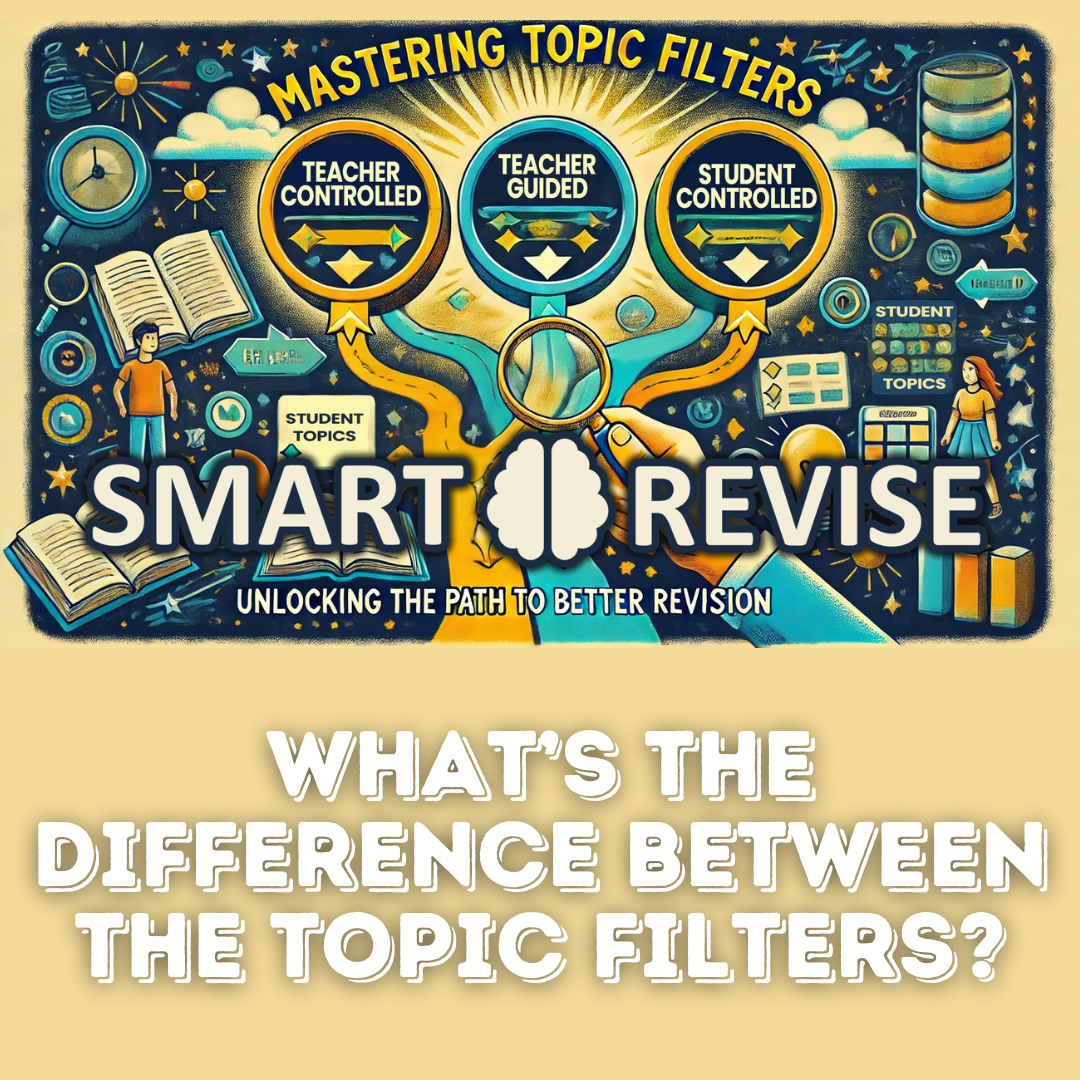
What’s the difference between the topic filters in Smart Revise?

Smart Revise’s filters—Teacher Controlled, Teacher Guided, and Student Controlled—help balance focus and flexibility. Teacher Controlled prioritises new topics and spaced learning, while Guided or Student filters suit test prep or final revision. Avoid “blocking” by encouraging interleaving for better long-term retention.

28 January 2025

Pavel Durov’s Arrest: The Future of Privacy and Telegram

The arrest of Pavel Durov, Telegram’s founder, has raised critical questions about the balance between privacy and responsibility online. As Telegram faces accusations of enabling criminal activity, the case could set a precedent for tech CEOs and the future of secure messaging platforms.

21 January 2025

Can You Spot the AI? The Rising Challenge of AI-Generated Faces

AI-generated faces are becoming harder to spot, with a recent study showing a 65% misidentification rate. While the technology offers exciting possibilities, it also raises concerns about bias and misuse.

14 January 2025