




29 October 2024

Artificial Intelligence (AI) isn’t just about quirky art or viral content; it has the power to change lives. One of the most exciting areas where AI is making waves is accessibility, where it’s helping people with disabilities interact with the world in new and meaningful ways. From AI-powered glasses that help blind users “see” their surroundings to voice assistants that personalise communication, the possibilities are endless.
AI-driven accessibility tools: transforming everyday life
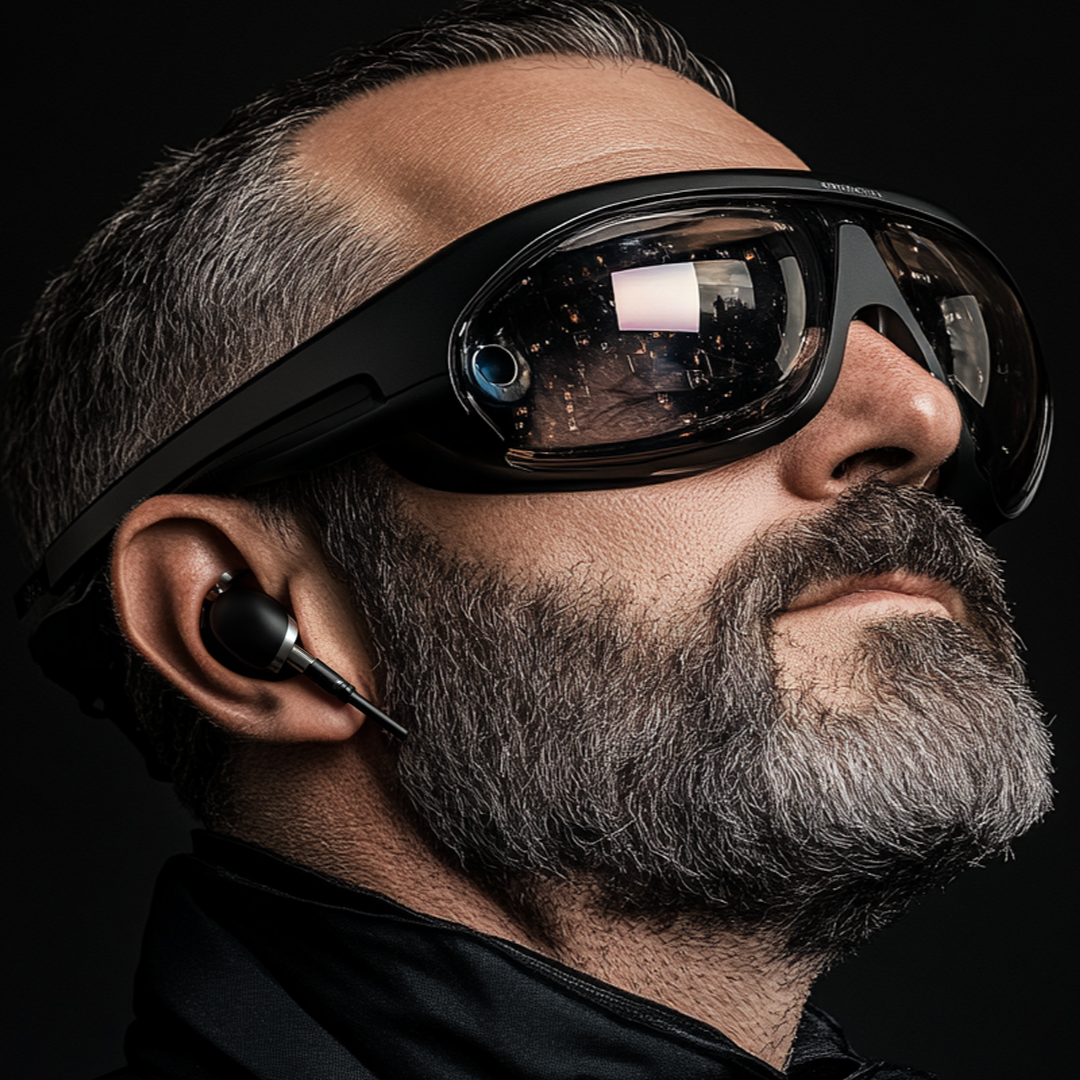
Imagine being able to navigate the world with the help of AI. Kevin Chao, a blind accessibility advocate, recently demonstrated Meta’s Ray-Ban smart glasses. By simply asking, “Describe what you see,” the AI painted a picture of his surroundings – the patio, skyline, and furniture – offering a glimpse into the future of accessible tech.
Tech giants like Apple, Google, and OpenAI are leading the charge in AI accessibility. Apple’s Live Speech allows users to type out words that the device then speaks aloud, while Google’s Lookout identifies objects and describes photos to visually impaired users, ensuring accessibility with features like audio and haptic feedback.
AI and personalisation: Empowering unique voices
One of the most transformative aspects of AI is its ability to offer personalisation. Apple’s Personal Voice allows users at risk of losing their voice to create a digital version that reflects their identity. This tech not only gives voice back to users but does so in a way that’s deeply personal and meaningful.
Similarly, AI speech recognition has improved accessibility for those with non-standard speech. Innovations like Google’s Project Relate help people with disabilities communicate more easily, making everyday interactions more seamless.
The future of AI in accessibility: Overcoming challenges
While AI opens new doors, there are hurdles to overcome. AI systems are only as good as the data they’re trained on, and biased or incomplete data can limit their effectiveness. It’s crucial to ensure that AI developments are inclusive and accurate to avoid creating new barriers.
And although AI tools provide unprecedented independence, the human element remains essential. Apps like Be My Eyes that combine AI with volunteer support show that AI and human connection can work hand in hand.
AI is transforming accessibility, offering independence and autonomy to millions of people with disabilities. By creating inclusive, personalised tools, we all benefit – from closed captions to dark mode. However, it’s vital to ensure AI continues to develop in a way that leaves no one behind.
Want to learn more about how AI is revolutionising accessibility? Watch the full video now!
Be sure to visit our website for more insights into the world of technology and for the best teaching resources for computer science and business studies. Stay informed, stay curious!