



Back

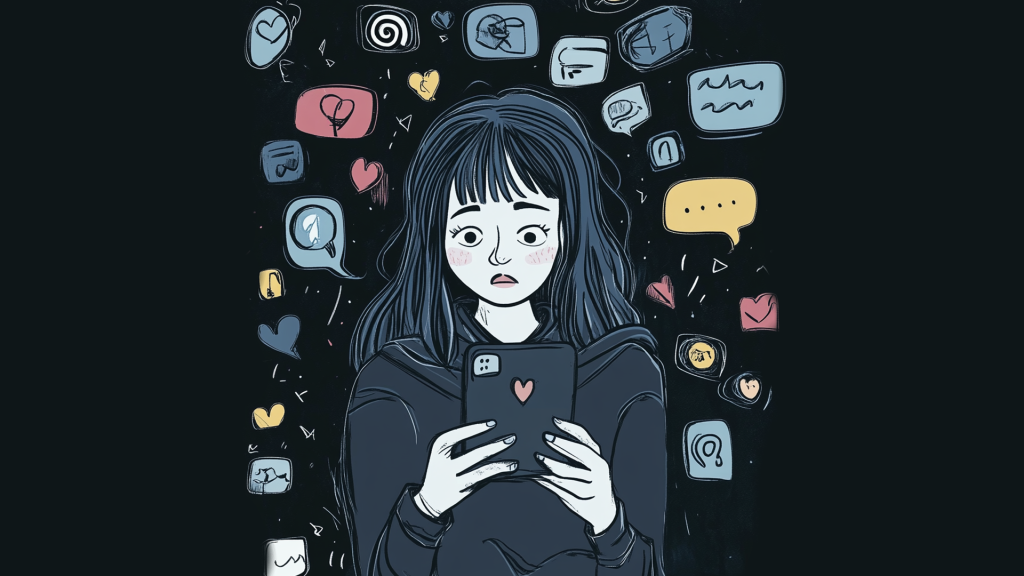
Is social media really that bad?

22 October 2024

We’ve all heard the scare stories: spend too much time on TikTok and suddenly you’re destined to fail your GCSEs and live in your mum’s basement forever. But is social media really as dangerous as some headlines make it out to be?

According to a new study by the World Health Organisation (WHO), there’s been a sharp rise in something called “problematic social media use” among teenagers. This doesn’t just mean spending hours on Instagram or YouTube; it’s when social media starts interfering with real life. We’re talking about skipping activities, arguing with parents about screen time, and feeling like you can’t stop even when you know you should.

The study surveyed nearly 280,000 teens across 44 countries and found that in 2022, 11% of them displayed problematic behaviours, up from 7% in 2018. Unsurprisingly, the pandemic played a major role in this spike, with many turning to social media during lockdowns. The situation is particularly notable in the UK, where teenagers are more prone to problematic use, especially among 13-year-old girls.

But before we start deleting our apps, the study also highlights that social media isn’t all bad. 

For most teens, using social media helps them stay connected with friends and feel supported, especially during isolating times like the pandemic. Movements like #BlackLivesMatter and #FridaysForFuture are prime examples of how social media can create positive change on a global scale.

However, for the 11% struggling with problematic use, the situation can be different, with issues like anxiety, depression, and even withdrawal symptoms when they can’t check their phones. Boys, on the other hand, seem to be more prone to problematic gaming, with some spending over four hours a day on games like Fortnite and Minecraft.

So, is social media really that bad? The answer isn’t black and white. For the majority, it’s a useful tool for connection, but like anything, it needs to be used in moderation. The key is balance—managing screen time and not letting it interfere with mental health, studies, or relationships.


To dive deeper into this topic, watch the full video HERE.

Don’t forget to check out our website for more insights on how tech and society are evolving and all the latest Computer Science teaching resources.
Related posts

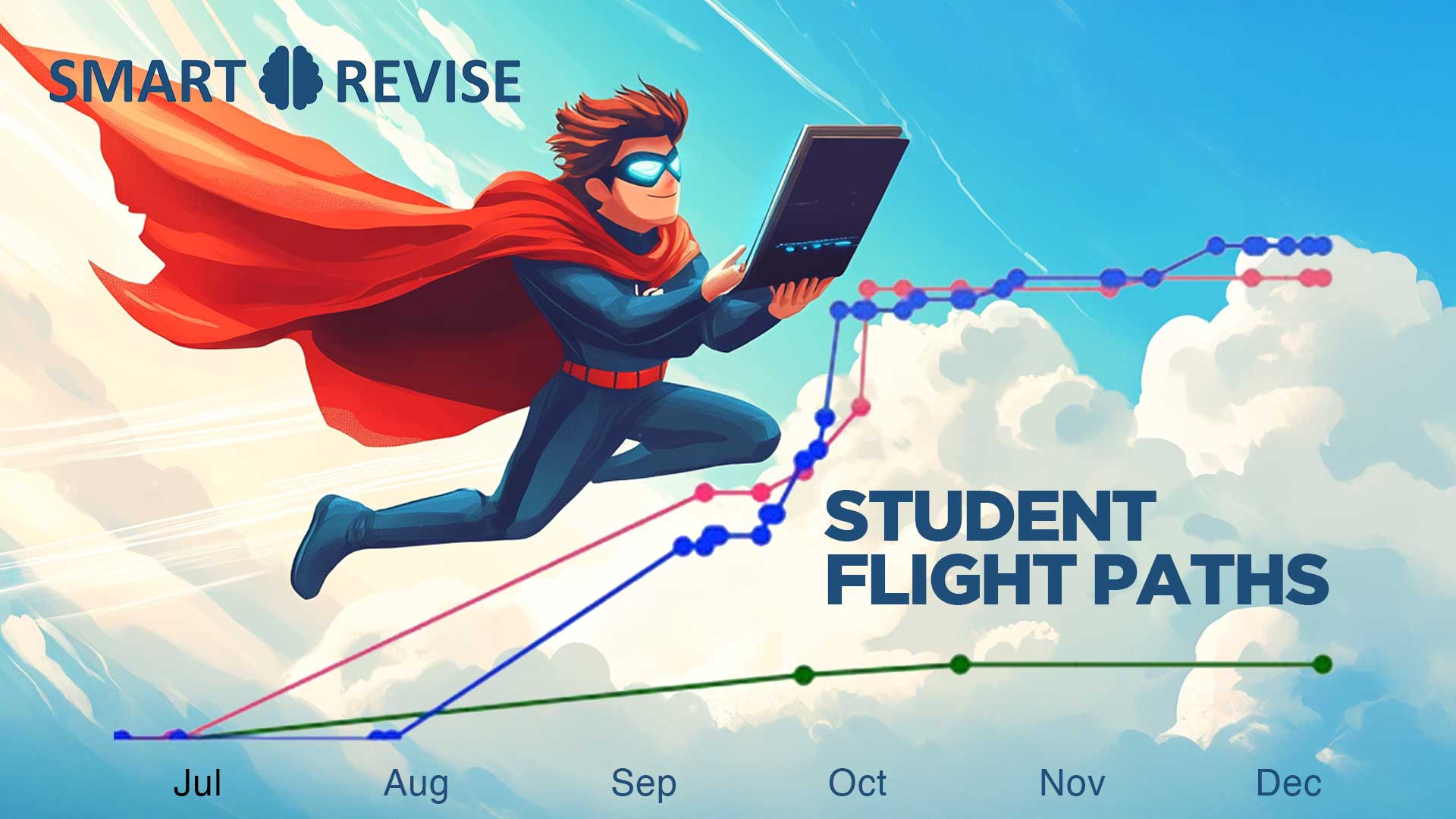
What does the data on a student flight path mean? 

Flight paths in Smart Revise track student progress across quizzes, terms, and advanced written answers, providing a clear view of their learning journey. Learn how you can analyse detailed data, set target zones, and guide students to optimise their revision for maximum success.

4 March 2025

Craig ‘n’ Dave Newsletter: February 2025

In March we’re introducing a fresh new look to Craig’n’Dave. New logo, new website and new membership options. While modernising […]

3 March 2025

I’ve lost control of my own DNA

DNA kits are fun until you wonder where your data goes. From quirky ancestry facts to privacy risks, there’s more to it than spitting in a tube! Learn how to protect your genetic data.

18 February 2025

What are the benefits of studying OCR Computer Science GCSE?

OCR GCSE Computer Science develops problem-solving and logical thinking, paving the way for tech careers and more.

11 February 2025

Is the Digital Pound the future of UK currency?

The UK’s digital pound promises faster, safer payments—but at what cost? With privacy concerns and the risk of leaving cash users behind, is this the future of money or a step too far? Dive into the debate and discover what it really means for you.

4 February 2025

Craig ‘n’ Dave Newsletter: January 2025

This month, We share our thoughts on BETT 25, talk about computing teaching news and what events we will be attending this year. We discuss VEX robotics, Changes to the Lesson Hacker series and the new Smart Revise blogs.

31 January 2025

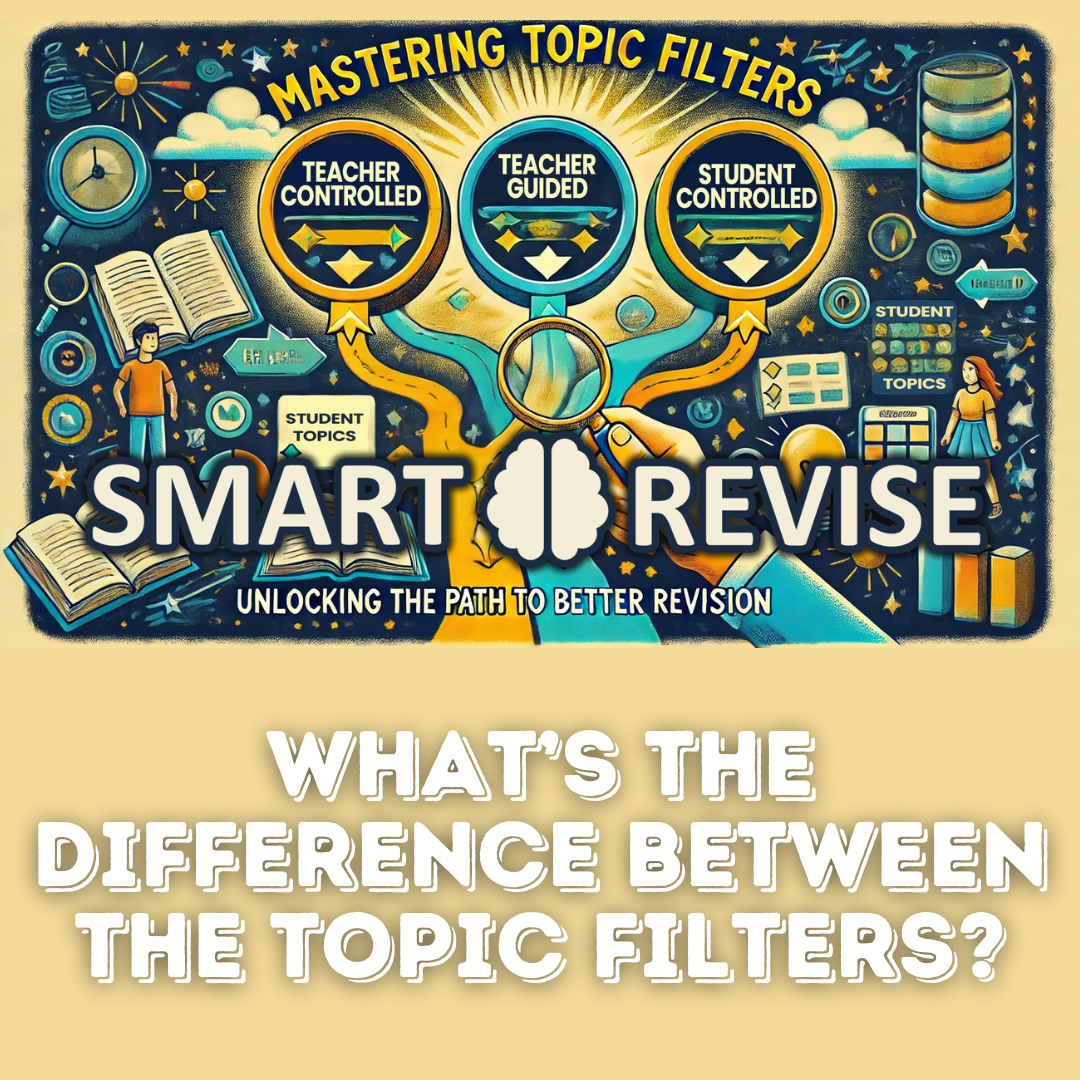
What’s the difference between the topic filters in Smart Revise?

Smart Revise’s filters—Teacher Controlled, Teacher Guided, and Student Controlled—help balance focus and flexibility. Teacher Controlled prioritises new topics and spaced learning, while Guided or Student filters suit test prep or final revision. Avoid “blocking” by encouraging interleaving for better long-term retention.

28 January 2025

Pavel Durov’s Arrest: The Future of Privacy and Telegram

The arrest of Pavel Durov, Telegram’s founder, has raised critical questions about the balance between privacy and responsibility online. As Telegram faces accusations of enabling criminal activity, the case could set a precedent for tech CEOs and the future of secure messaging platforms.

21 January 2025

Can You Spot the AI? The Rising Challenge of AI-Generated Faces

AI-generated faces are becoming harder to spot, with a recent study showing a 65% misidentification rate. While the technology offers exciting possibilities, it also raises concerns about bias and misuse.

14 January 2025