
Home » Services » Load Testing and Torque Monitoring

Load Testing and Torque Monitoring

Certified load data is what separates a accurately engineered foundation from a product in the ground. Our load testing and torque monitoring services provide the documented proof of capacity that structural engineers, building control officers, and project stakeholders require – for both ground screws and helical screw piles.
We've been conducting site-specific load tests for over 15 years, across thousands of domestic and commercial projects. Every test we carry out is backed by a detailed report – because the data is only useful if it's documented properly and delivered in a format that engineers and building control can work with and reassured by.

Ground Screw Load Testing

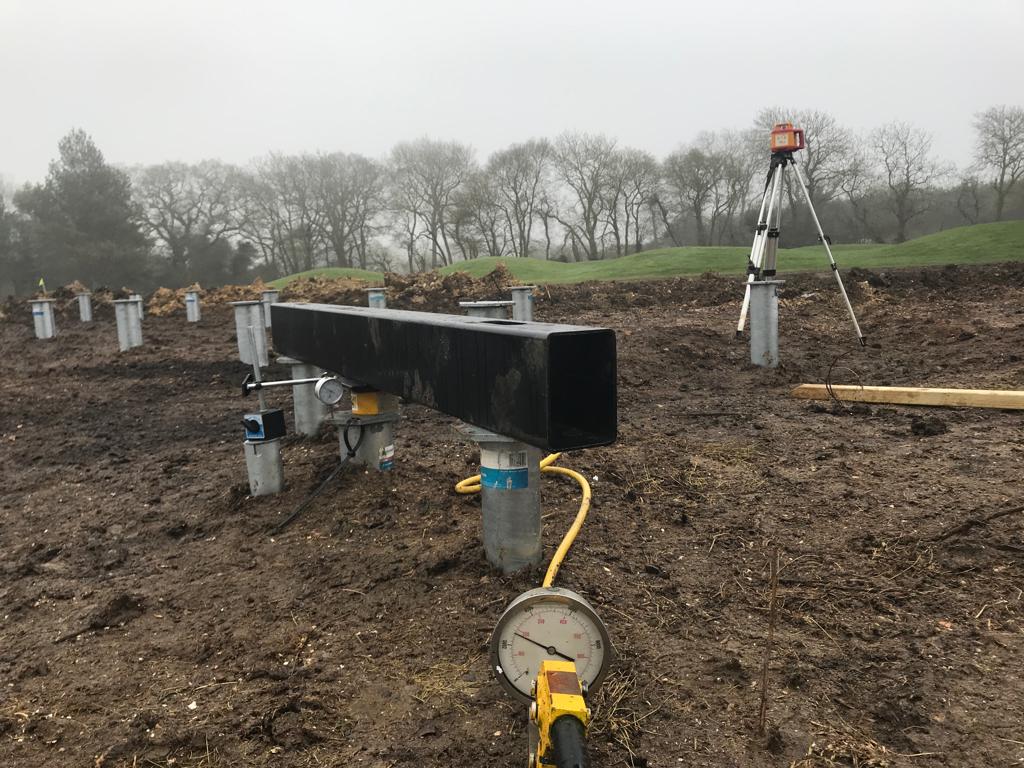
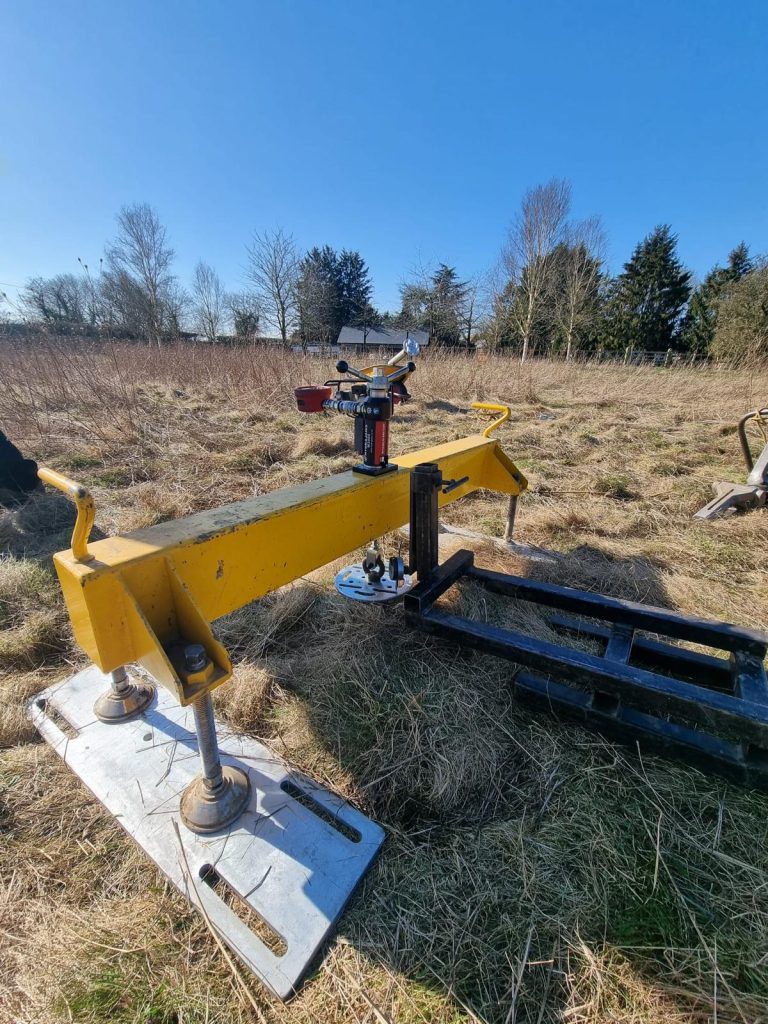
For ground screw installations – particularly those requiring building control approval – we carry out site-specific compression load testing to prove the load capacity of the ground screws in your specific soil conditions.

How It Works

A test ground screw is installed on your site and subjected to a controlled compression, tensile or shear load, incrementally increased until the target capacity is reached or exceeded. The test verifies that the ground screws specified will meet the load requirements set by your structural engineer.

What You Receive

On completion, you receive a comprehensive findings report detailing:

  • Test methodology and equipment used
  • Applied loads and measured displacement at each increment
  • Confirmed load capacity in your site soil conditions
  • Comparison against the engineer’s specified load requirements

This report is provided to your building control officer for review and approval.

pro install

Helical Screw Pile Torque Monitoring

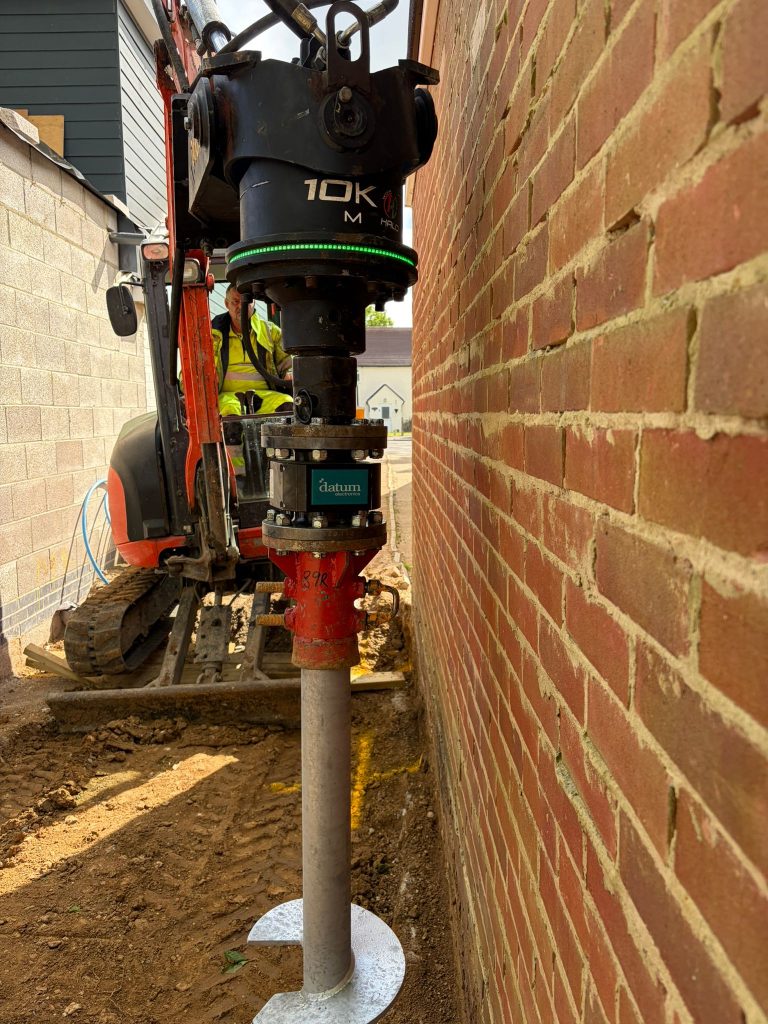
For helical screw pile installations, every pile is installed with calibrated torque monitoring as standard – this is not an optional extra. It provides real-time verification that each pile meets its design load capacity, measured and recorded directly during installation.

How It Works

Our installation teams use excavators equipped with rotary torque drivers and integrated, fully calibrated torque-monitoring systems. As each pile is mechanically rotated into the ground, the system continuously measures and records the torque during installation. Installation continues until the specified depth or required installation torque is achieved – confirming the design load capacity has been met.

Every pile is installed in strict accordance with the engineered design criteria and is continuously monitored. There’s no estimation involved – the data comes from the pile itself during installation.

What You Receive

On completion of every helical screw pile project, you receive a comprehensive torque pile log for each pile, recording:

  • Installation torque throughout the drive
  • Final installation depth
  • Pile identification and location
  • Performance data against the design specification

We also provide certified load capacity and pile design reports giving structural engineers and building control the documented proof of capacity they need.

Static Load-Bearing Testing

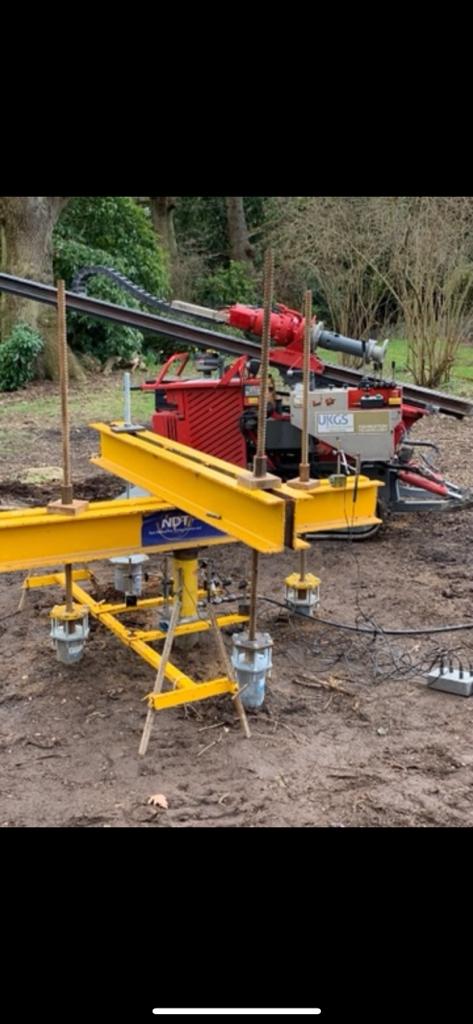
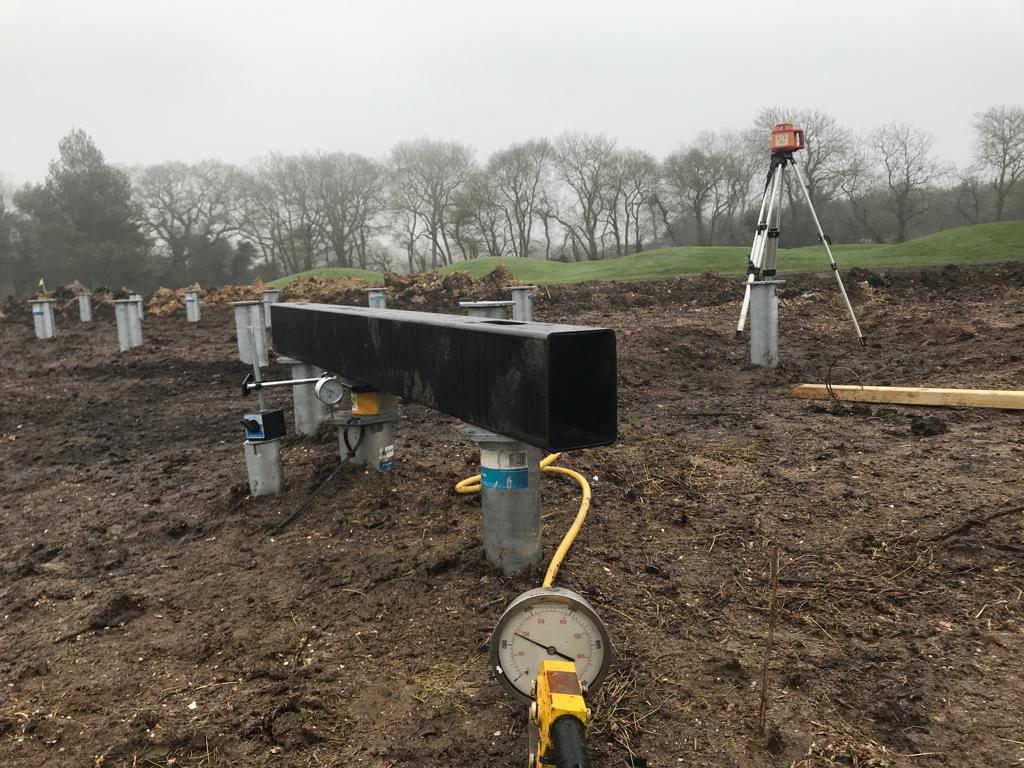
Where required – typically for higher-load commercial or infrastructure projects – we offer static load-bearing testing on installed helical screw piles. This involves physically applying a controlled load to an installed pile and measuring its response, providing an additional layer of verification beyond torque monitoring data.

Static testing is commonly specified on projects where the consequences of foundation failure are high, or where the client or their engineer requires physical load verification alongside the torque data.

Tension and Compression Testing for Solar and High-Uplift Applications

Large solar panel arrays and other exposed structures generate high tension and uplift forces that their foundations must resist. We offer both tension and compression load testing for ground screws and helical screw piles on these projects, supported by a findings report to confirm the foundations are suitable for your site conditions.

This testing is particularly relevant for commercial solar farms, exposed signage, and tall mast or tower structures where uplift is a primary design consideration.

Why Certified Load Data Matters

Without certified data, your foundation is unproven – and that can lead to rejected building control applications, delays in engineer sign-off, and potential issues with insurance and warranty cover.

Our testing and monitoring services ensure that every foundation we install is backed by documented, verifiable evidence of its performance.

  • For engineers – you receive data in a format you can work with, without having to chase it.
  • For contractors – you hand over a fully documented foundation package at project completion.

For building control – you receive the certified reports needed for approval, first time.

Why Choose Screw Foundations UK for Load Testing and Torque Monitoring?

  • Over 15 years of site-specific load testing experience

  • Compression load testing for ground screw installations

  • Calibrated torque monitoring on every helical screw pile as standard

  • Comprehensive torque pile logs for every pile installed

  • Certified load capacity and pile design reports

  • Static load-bearing testing available for higher-load projects

  • Tension and compression testing for solar and high-uplift applications

  • Reports formatted for building control submission

  • Nationwide service – we test and install on the same visit
Frequently Asked Questions about Load Testing and Torque Monitoring

  • Yes. Every helical screw pile we install is monitored with fully calibrated torque equipment as standard. You receive a comprehensive torque pile log for each pile on completion and other relevant engineering and compliance data.

  • In most cases, our load testing is carried out as part of the installation service. However, if you need a standalone load test – for example, to verify ground conditions before committing to a full project – get in touch and we can discuss your requirements.

  • Torque monitoring records the resistance encountered during installation, providing real-time verification of load capacity as each pile is driven. Static load testing physically applies a load to an installed pile and measures its response. Both provide certified evidence of capacity – torque monitoring is standard on every installation, while static testing is available where an additional level of verification is required.

  • Yes. Our compression load test reports and torque pile logs are formatted for building control submission. We’ve been providing this documentation for over 15 years and understand what building control officers need to see – the format and level of detail reflect that experience.

Ground Screw Calculator