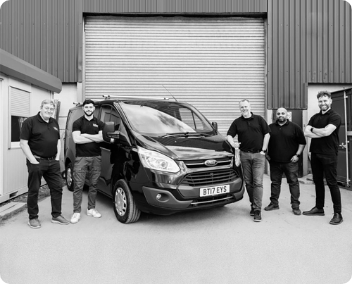

Helical Screw Pile Foundations for Gantries, Towers, and Masts
Gantries, telecommunications towers, and masts place unique demands on their foundations – high lateral loads from wind exposure, strict compliance requirements, and often difficult or restricted-access sites. Our helical screw pile foundations are engineered to meet these demands, with certified load data and a design life of up to 120 years.
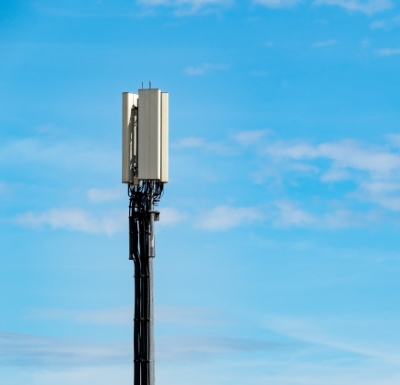
Why helical screw piles are specified for gantries, towers, and masts
Tall, exposed structures generate substantial lateral and uplift forces that their foundations must resist. Traditional concrete solutions require extensive groundworks, formwork, and curing time – all of which create programme delays and site disruption. Helical screw piles are machine-installed in rapid time frames, produce no spoil, and deliver verified load performance on every pile.
For engineers specifying foundations for height and wind exposure, the certified torque data from every installation provides the documented proof of capacity that building control and asset owners require.
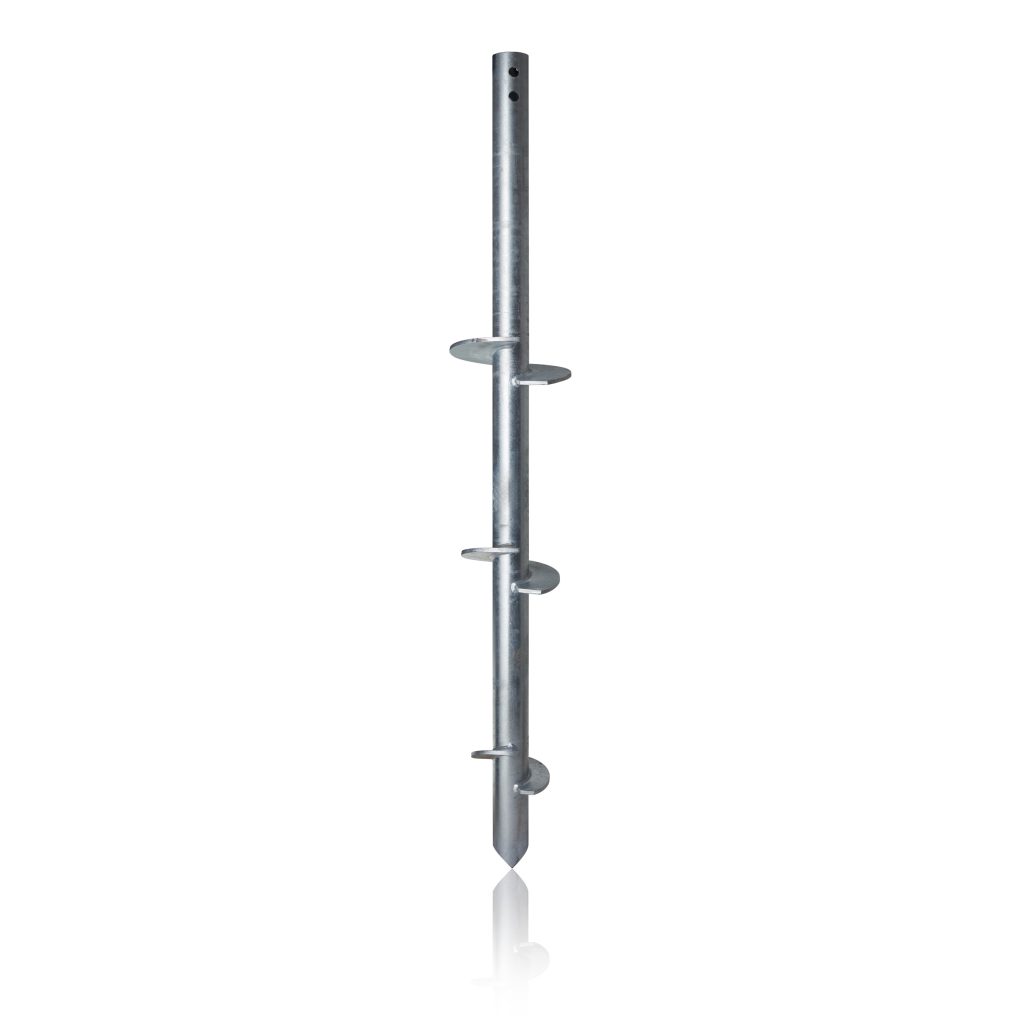
The benefits of screw pile foundations for gantries, towers, and masts
-
High Lateral and Uplift Load Capacity
Helical screw piles perform in compression, tension, and shear – essential for structures exposed to high wind loads and dynamic forces. -
Installed at Any Angle
Piles can be installed at a range of angles to suit design requirements, including raked and battered configurations for cantilevered or offset structures. -
Certified Load Data for Every Pile
Every pile is installed using excavators from 1.5t to 20t fitted with calibrated torque monitoring. Comprehensive torque pile logs record installation torque, depth, pile identification, and performance data. -
Suitable for Restricted-Access Sites
Our tracked machines and compact excavators access sites where traditional piling rigs can't reach – roadsides, rural telecoms sites, railway corridors, and urban locations with limited clearance. -
Not Weather-Dependent
Installation carries on in conditions that would delay a concrete pour – keeping your programme on track regardless of the forecast. -
Built to Recognised Standards
All helical screw piles are manufactured to EN 1090-1 (CE/UKCA), EN 1090-2 (execution class EXC2 or EXC3), ISO 3834 (welding quality), and EN ISO 1461 (hot-dip galvanising). Design life of up to 120 years.
Where helical screw piles are specified
- Highway gantries and overhead sign structures
- Telecommunications towers and mobile masts
- Signal gantries and rail infrastructure
- CCTV and monitoring columns
- Floodlighting and stadium lighting columns
- Wind monitoring and meteorological masts
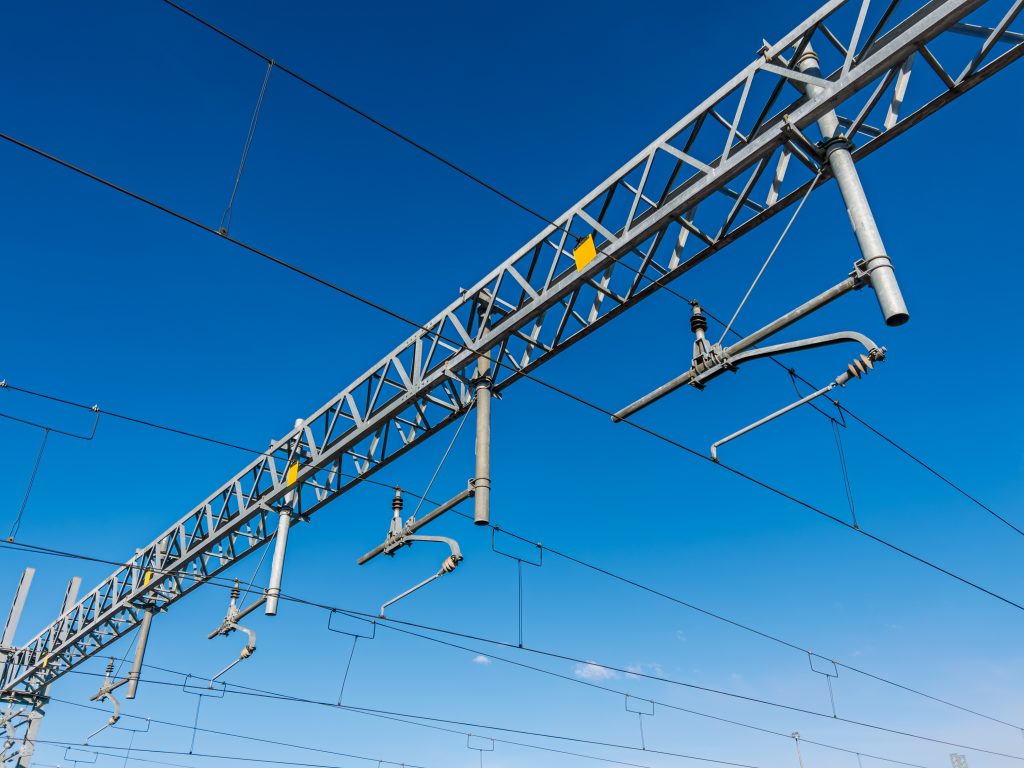
- Overhead line equipment (OLE) foundations
Our service for gantry, tower, and mast foundations
We provide a complete turnkey service covering every stage of the foundation programme:
- Site-specific helical screw pile design including pile caps
- GPS mark out and GPR (ground penetration radar)
- Professional installation with calibrated torque monitoring
- Comprehensive torque pile log and monitoring report for every pile
- Certified load capacity reports generated through deep foundation software
- Steel fabrication and sub bases
- Stock sizes from 76R to 140R, with bespoke manufacturing to match the engineering specification
- Static load-bearing testing where required
We work with structural engineers, asset owners, main contractors, and telecoms operators across the UK to deliver certified foundations for projects governed by National Highways, Network Rail, and telecoms regulatory requirements.

Frequently asked questions
-
Yes. Our helical screw piles handle substantial lateral and uplift forces, and can be installed at angles to optimise resistance to wind loading. Every pile is torque-verified on site with certified data provided on completion.
-
Yes. We supply and install helical screw pile foundations for highway gantries and overhead sign structures, producing the certified load data and torque pile logs that National Highways and local authorities require.
-
Yes. Our compact tracked machines and excavators access restricted sites where traditional piling rigs can’t operate – including narrow roadside verges, railway corridors, and rural telecoms locations with limited clearance.
-
Yes. Helical screw piles are fully reversible – they can be removed cleanly when the mast is no longer needed, returning the site to its original condition. This makes them well suited to temporary wind monitoring and meteorological masts.