

Solar panel foundation options
Solar panel foundation options
Solar panels need a rock-solid foundation. Whether you’re installing a few panels in your garden or building a sprawling solar farm, the foundation you choose affects installation speed, alignment precision, and long-term energy output.
Traditional concrete bases have been the go-to solution, but they’re not without their drawbacks: lengthy setup times, weather delays, and environmental impact.
Enter ground screws – a faster, cleaner, and more efficient alternative. These innovative foundations simplify the process, ensuring precise alignment and lasting performance with minimal disruption.
In this guide, we’ll explore how ground screws are reshaping solar installations, offering smarter solutions for projects of any size.
Choosing foundations for solar panels involves balancing several factors. Speed of installation matters, but so does long-term performance.
The right foundation choice ensures your panels generate maximum power for years to come.
Concrete has long been the go-to foundation solution for solar installations. Steel posts set into concrete pads or strips provide a stable base for panel mounting frames.
Laying concrete foundations typically involves:
It’s important to highlight that precision foundations are absolutely vital for solar, as even slight misalignments in the foundation can reduce energy efficiency.
Achieving perfectly level and aligned concrete bases, especially across multiple units, demands significant skill and effort.
Site logistics add another layer of complexity. Concrete mixers need ample access, materials require on-site storage, and excavated soil needs to be removed or managed.
For green field sites, getting heavy machinery onto the field in wet conditions can be a problem too.
And then there’s the weather. Rain can halt work entirely, while fluctuating temperatures impact curing times.
Ground screws for solar provide a compelling alternative to concrete foundations.
They take the form of steel screws that are driven directly into the soil to create stable anchor points, while specialised brackets allow precise panel positioning. No concrete mixing, no excavation, and no weather delays.
This offers several advantages that we’ll shortly explore in more detail.
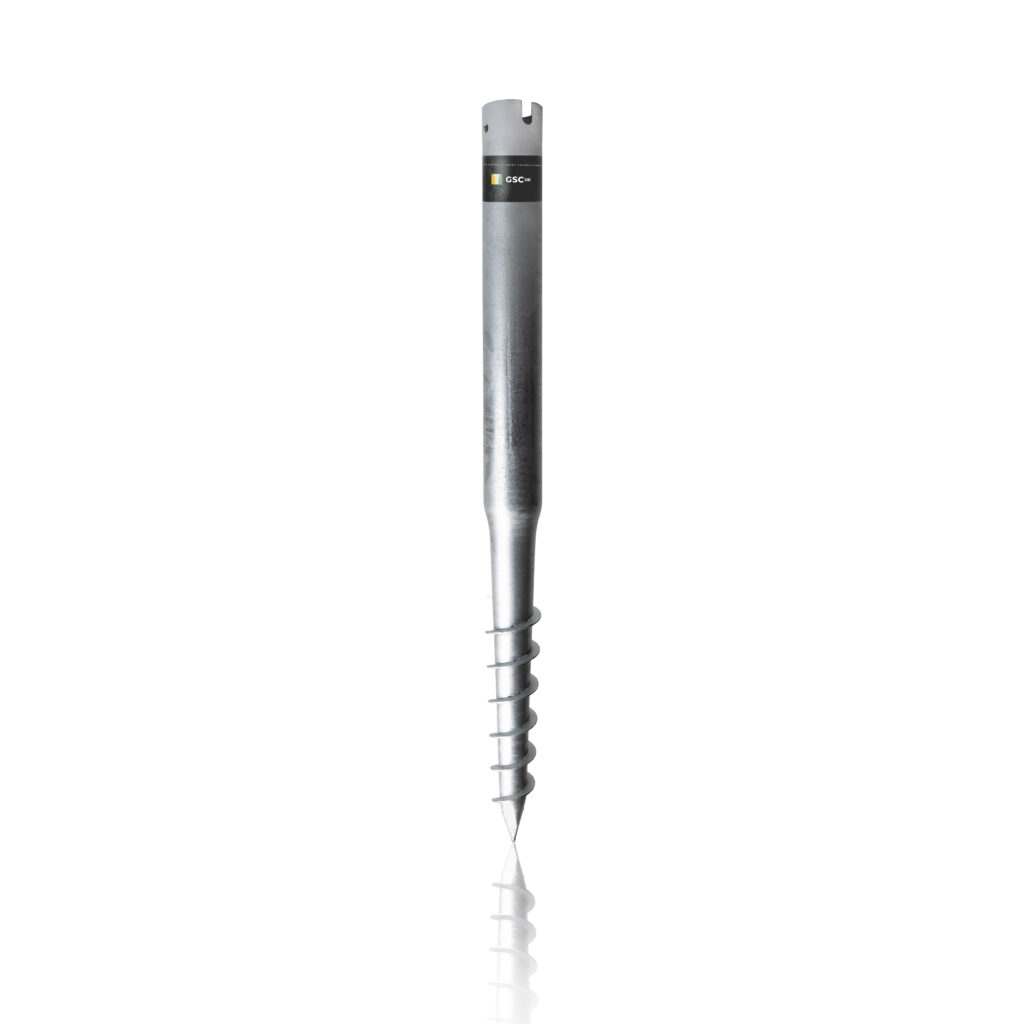
Ground screws are formed from a steel shaft with helical plates that act like the threads of a screw.
When you drive the shaft into the ground, each plate creates its own anchor point within the soil. Together, these anchor points resist both the downward weight of the panels and the substantial upward force created by strong winds.
The top of each screw connects to mounting brackets that offer adjustments above ground level.
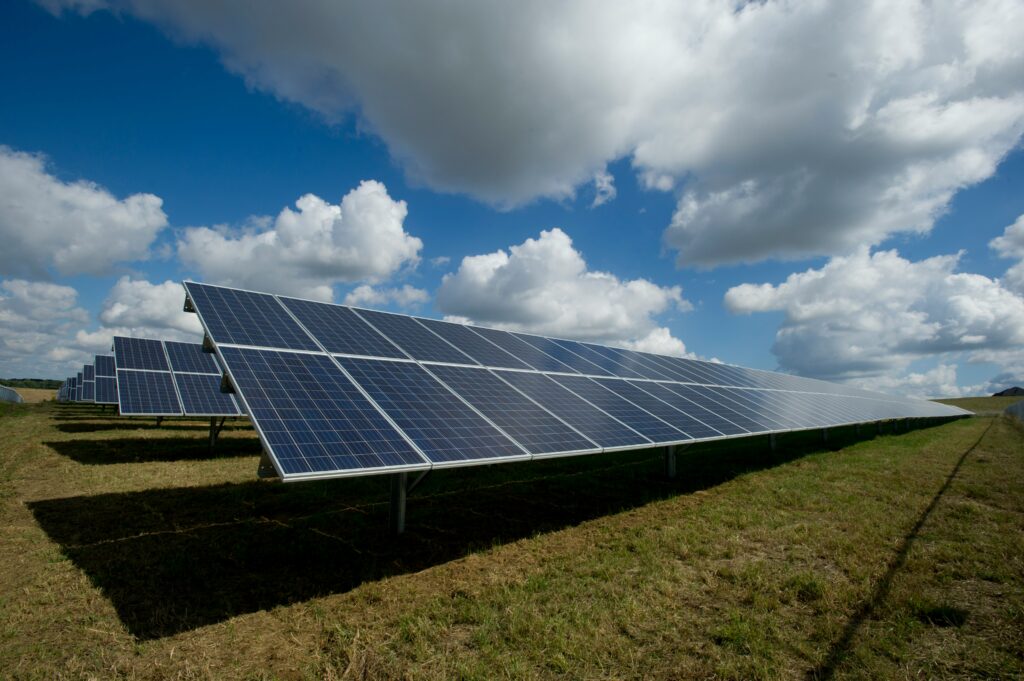
Concrete foundations rely on weight and mass, but ground screws work by locking into the soil itself. Each screw is driven deep into the ground, creating a secure anchor that resists shifting and holds firm over time.
This is a natural fit for ground screws. Solar panels catch the wind like sails, creating significant upward forces that foundations must resist.
While concrete bases can sometimes fail under these conditions – especially in shifting soils – ground screws offer a deeper anchor point without extensive digging. If load testing is required, ground screws makes this simple to analyse.
In fact, ground screws are often used to anchor wind turbines for this very reason, offering a compelling alternative to concrete when structures face extreme multi-directional forces.

Ground screws are perfectly suited to the precision needed for solar panel mounting, while also making installation simpler and more efficient.
Whether it’s a small garden array or a large-scale solar farm, they address common challenges and deliver reliable, long-lasting performance.
Here’s why:
Traditional concrete foundations can take weeks to install – digging, levelling, pouring, curing, and dealing with inevitable weather delays.
Ground screws offer a faster, smarter alternative. With a skilled team, dozens of ground screw foundations can be installed in just one day. The benefits include:
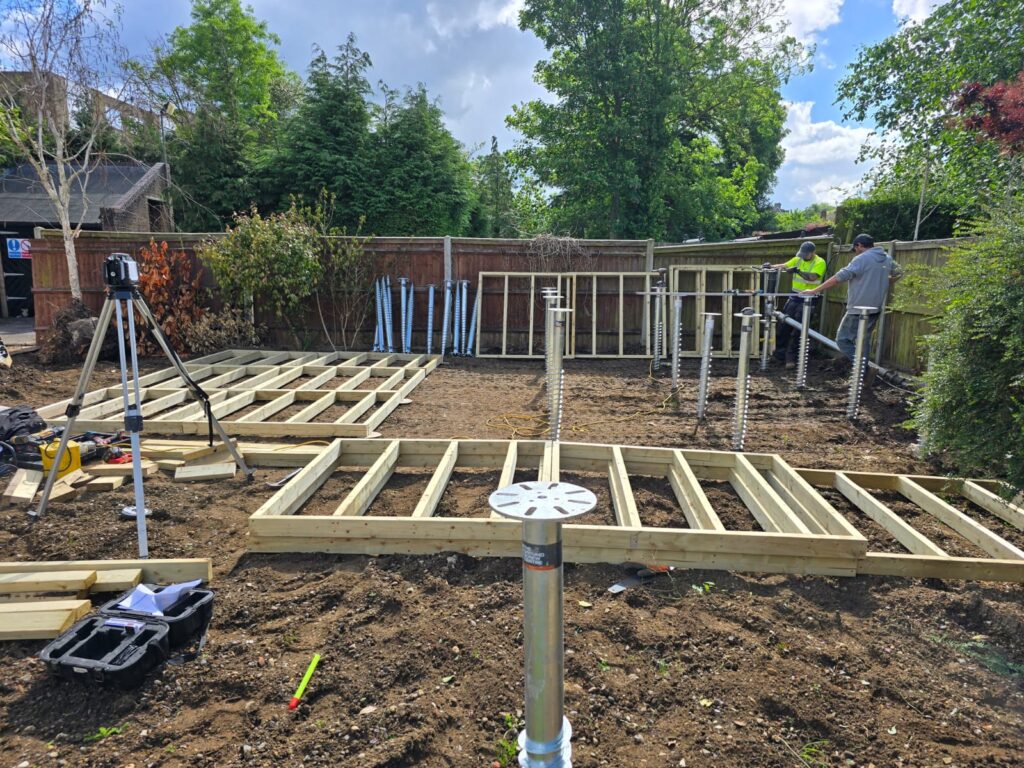
For domestic installations, they offer a quick, clean solution that preserves landscaping and access. On a larger scale, they provide consistent and reliable support across hundreds of mounting points.
Every site is different, bringing challenges like uneven ground, poor soil conditions, drainage needs, or limited access. Ground screws handle these with ease, thanks to:
Solar panels need solid, reliable foundations to stay aligned and efficient. The challenge? Panels act like sails in the wind, creating powerful upward forces. Even tiny changes in their alignment can affect energy production.
At Screw Foundations UK, we’ve developed an installation process designed specifically for solar. We understand the unique challenges of these projects and have the experience to handle them.
Here’s how we ensure your panels are installed correctly and efficiently:
With more than 15 years of experience, we’ve worked on everything from small garden arrays to large-scale solar farms.
Learn more about our solar installation services.
Ground screws are far more eco-friendly than traditional concrete foundations. The installation process keeps the ground intact with no need for concrete mixing, heavy excavation, or soil disposal.
Key benefits include:
In addition, many councils place strict conditions on projects in conservation zones, greenbelt land, or areas with protected habitats.
Excavation and concrete pouring can disrupt drainage, harm tree root systems, or leave permanent scars on the landscape, making traditional foundations unsuitable for these locations.
Because ground screws avoid these issues entirely, they’re often seen as a more acceptable option to local planning authorities.
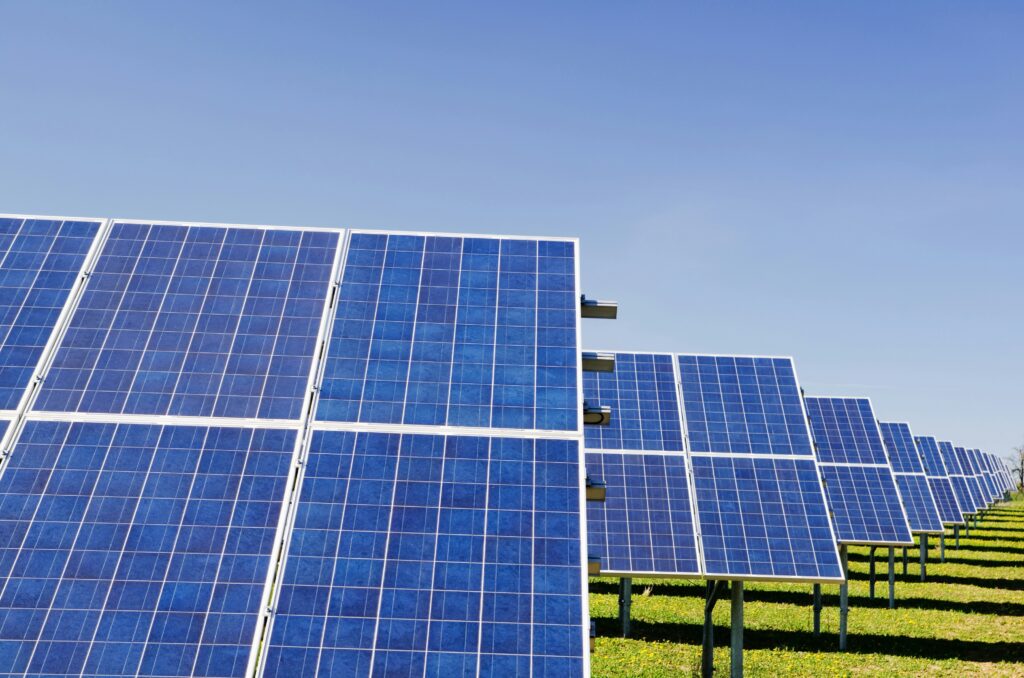
Ground screws offer flexibility when it comes to installation. For larger solar arrays or more challenging sites, professional installation ensures everything is done with precision.
On the other hand, smaller projects can often be tackled as a DIY job, provided you have the right tools and guidance.
GSC offers both domestic and commercial ground screw installation services. What does that involve?
First, we check your site thoroughly. Where will the panels work best? What’s the soil like? How exposed is the site to wind? For larger installations or particularly windy locations, we test how well ground screws grip in your specific soil conditions.
Come installation day, we mark out exactly where each ground screw needs to go based on your panel layout. Our teams use specialised equipment to drive each screw to the perfect depth, checking levels constantly.
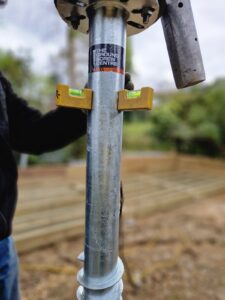
Once the screws are installed, we fit and adjust the mounting brackets so your panels will sit at exactly the right angle.
Many installers fit ground screws successfully themselves. Before you start, you’ll need:
We provide detailed guides and technical support throughout your project. Even small errors in height or angle affect panel performance, so accuracy matters at every stage.
Start with our trial kit – it allows you to test the installation process and make sure ground screws work well in your soil before committing to the full project.
Whether you’re installing a small garden array or a commercial solar farm, GSC has everything you need to create strong, reliable foundations for your solar panels.
Our high-quality selection of ground screws and precision-engineered brackets are the perfect choice for any solar installation.
With over 15 years of expertise, nationwide delivery, and next-day dispatch available, and a professional installation team on hand to assist, we’re ready to help you start your solar project.
Contact us for a free consultation today to discuss your requirements.