


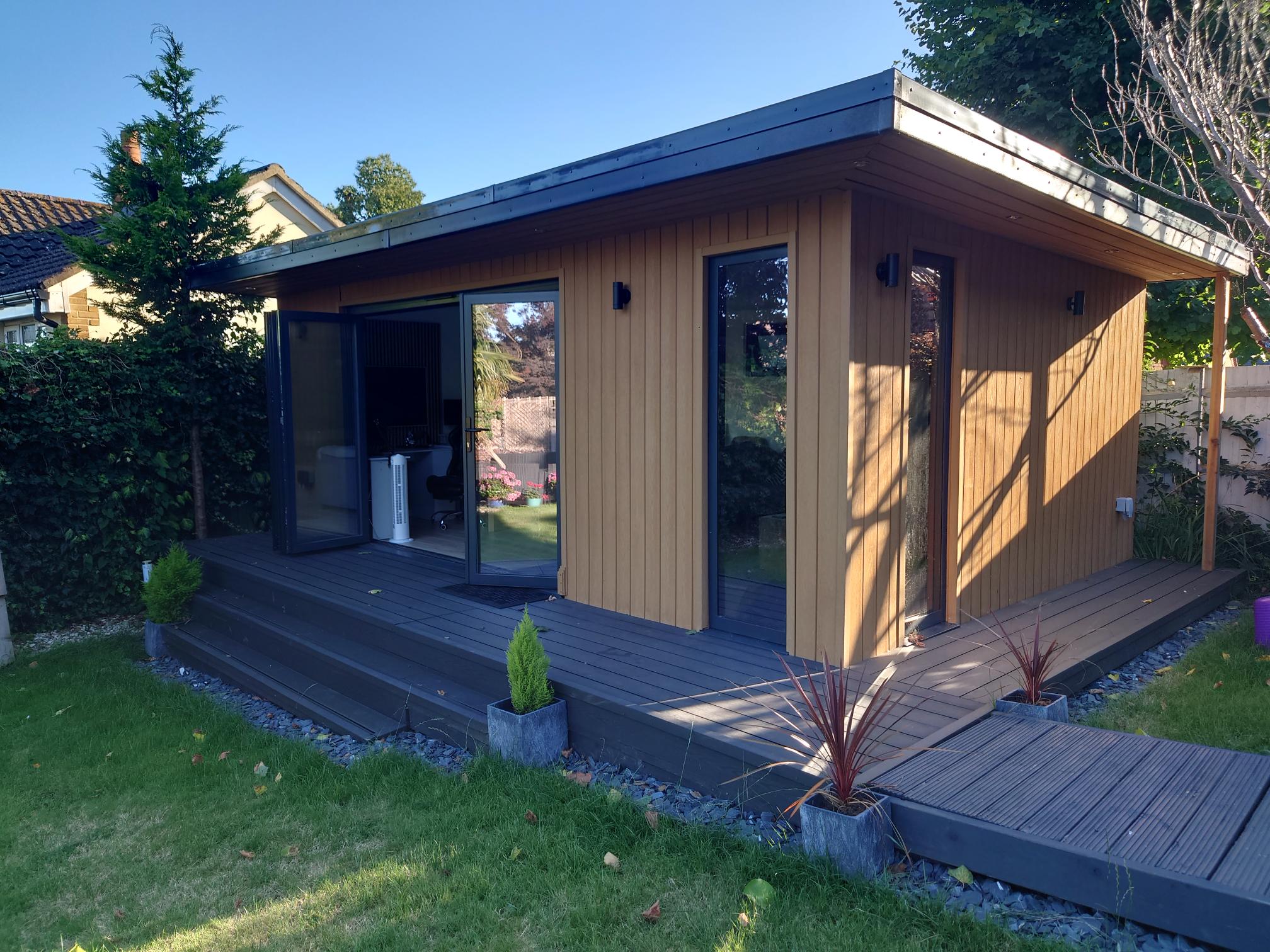
Foundations for garden rooms
Foundations for garden rooms
Garden rooms are a smart way to expand your living space – and are in massive demand right now.
For example, recent data shows that property searches for garden office searches remain 22% higher than pre-pandemic levels. A well-built garden room could add around 7.5% to your property value.
The success of any garden room project naturally begins with laying the best possible foundations. Doing this correctly keeps your new space level, dry, and stable for years to come.
Conversely, poor foundations lead to all sorts of problems, from sticking doors to damp and structural issues.
This guide compares different garden room foundation options to help you choose what’s best for your garden room. We’ll assess costs, installation methods, and what works best in different situations.
Garden rooms are not sheds – they need strong, reliable foundations, which play a critical role in your garden room’s stability, durability, and overall success.
Let’s take a closer look at some of the most common garden room foundation options:
Concrete foundations have been a go-to choice for many years. They involve excavating the ground, creating a level base, and pouring concrete to form a solid slab.
While concrete foundations are sturdy and long-lasting, they can be time-consuming to install and require extensive groundwork.
Key characteristics include:
Wooden post-and-beam foundations consist of timber posts anchored into the ground at regular intervals, supporting a framework of beams. They’re a good choice for level sites with stable soil.
On the downside, wooden posts may be susceptible to moisture damage over time and can be challenging to install on uneven or sloping ground.
Key characteristics include:
Adjustable pedestal supports are a raised foundation option that consists of adjustable pods placed at strategic points to support the garden room’s base. They offer height flexibility and can accommodate slight variations in ground level.
With that said, pedestal supports may not provide the same level of stability as other foundation options and can be more expensive.
Key characteristics include:
Ground screw foundations are an innovative garden room foundation option. They’re driven deep into the ground, providing exceptional stability and load-bearing capacity.
Ground screws are quick and easy to install, suitable for various soil types, and cause minimal disruption to the surrounding environment.
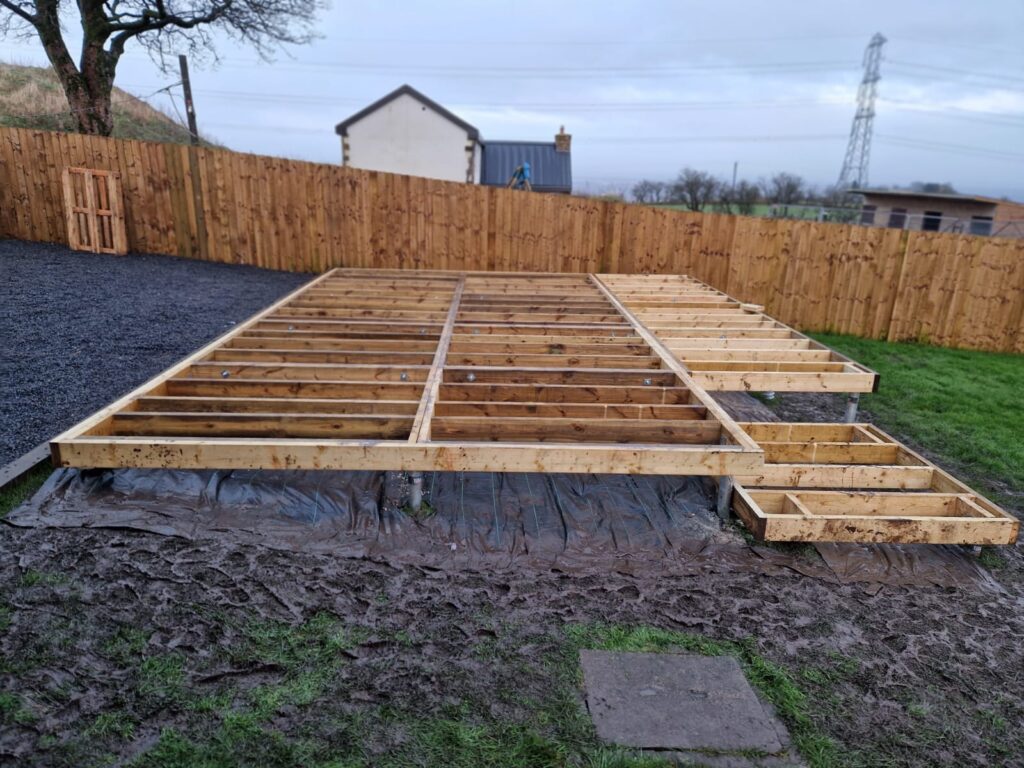
Key characteristics include:
Next up, we’ll dive deeper into why ground screw foundations have become the popular choice for garden room projects and explore their numerous benefits in detail.
Ground screw foundations are a modern and efficient alternative to traditional foundation methods.
At first glance, a ground screw might remind you of a giant corkscrew. It consists of a central steel shaft with one or more helical plates welded onto it.
These plates are designed to cut through the soil as the screw is rotated, creating a secure anchoring point. The shaft itself is typically made from high-quality galvanised steel, ensuring durability and resistance to corrosion.
The installation process for ground screws is remarkably simple and efficient. A hydraulic drive head, attached to an excavator or bobcat, is used to rotate the screw into the ground.
As the screw turns, it pulls itself deeper into the soil until it reaches the required depth and torque. This process is repeated for each screw, creating a network of stable foundation points.
Once the ground screws are in place, a series of brackets and beams are attached to create a sturdy, level framework for your garden room.
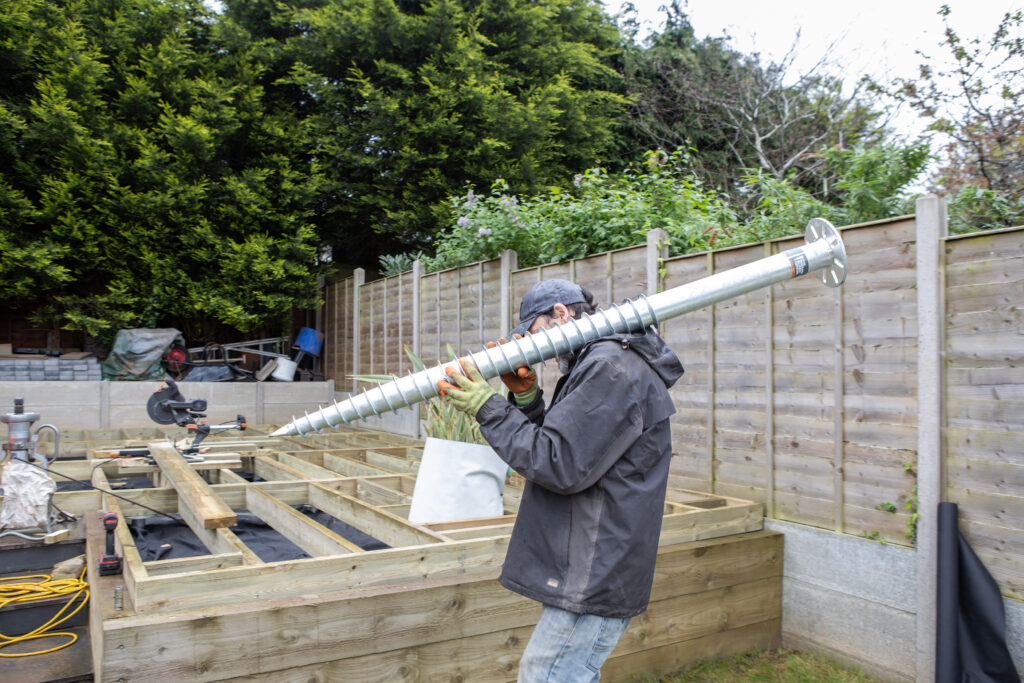
Compared to traditional concrete foundations, which involve extensive excavation, levelling, and curing time, ground screws for annexes and garden rooms offer a faster, cleaner, and more eco-friendly foundation.
Let’s explore the numerous benefits they offer for your garden room project:
One of the most significant advantages of ground screw foundations is the speed and ease of installation.
Unlike concrete foundations, which can take days or even weeks to prepare, pour, and cure, ground screws can be installed in a matter of hours. This means you can start building your garden room much sooner, saving you valuable time and money.
Ground screw installation process is precise and targeted, causing minimal disturbance to the surrounding environment. There’s no need for extensive excavation or heavy machinery that can damage your lawn and garden.
As such, you can preserve the natural beauty of your outdoor space while still achieving a solid foundation for your garden room.
Ground screws are incredibly versatile for installation in a wide range of soil types, from soft clay to rocky terrain.
They can also be easily adapted to accommodate sloping or uneven sites, common in many back gardens.
If you’re looking for an environmentally conscious foundation solution, ground screws are an excellent choice. They generate far less waste than concrete foundations, as there’s no need for excavation or disposal of excess materials.
Additionally, ground screws can be easily removed and reused if you decide to relocate or repurpose your garden room in the future, minimising the long-term impact on the environment.
Ground screws are cost-effective to purchase and install. Rapid installation reduces labour costs, while the minimal ground preparation requirements eliminate the need for expensive excavation and levelling work.
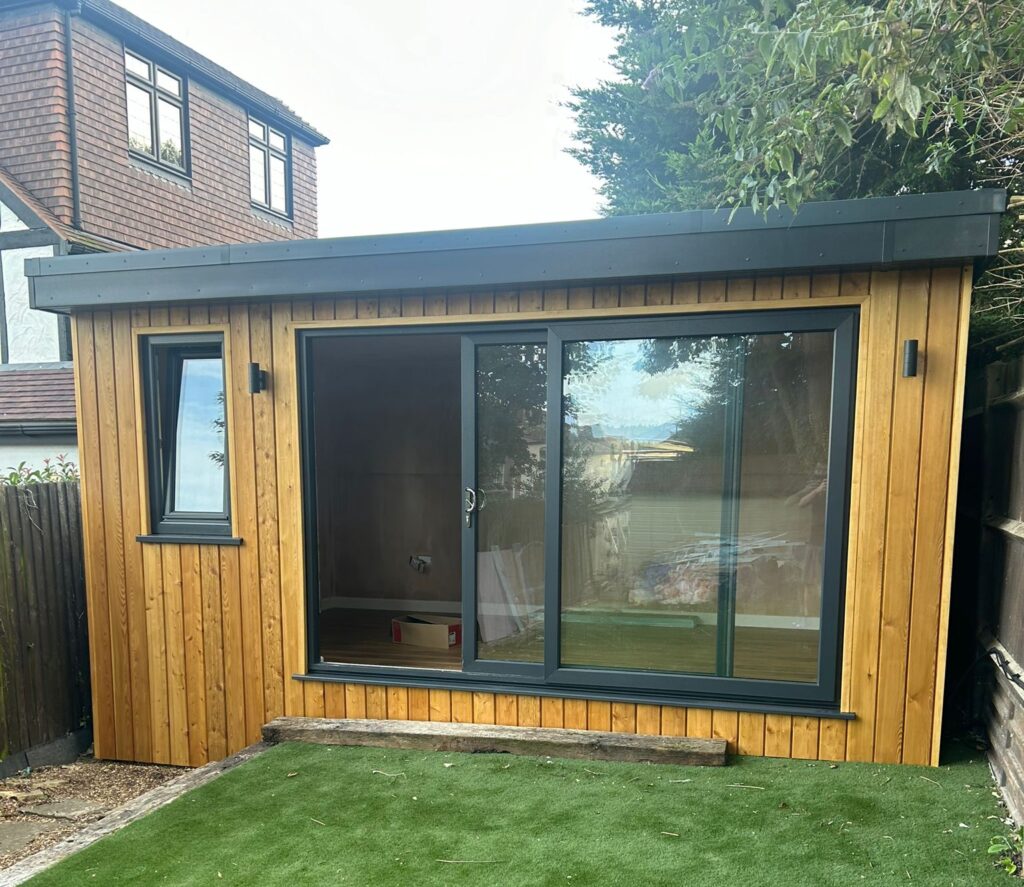
Now that you’re familiar with the advantages of ground screw foundations, you might be eager to start your garden room project. However, to ensure a successful installation, there are several key factors to consider.
Here are our expert tips for installing your very own garden room foundations:
Before you begin, it’s crucial to assess your site and understand the soil conditions you’re working with. Different soil types may require different installation techniques or screw sizes:
You’ll also need to take accurate measurements and mark out the positions for your ground screws carefully.
Selecting the appropriate size and quantity of ground screws is essential for ensuring the stability and longevity of your garden room foundation. Consider the following factors:

Proper installation and levelling techniques are critical for achieving a stable and even foundation:
Have a contingency plan in place if you encounter unexpected issues or challenging weather conditions during installation. This plan may involve adjusting your timeline, securing additional resources, or consulting with professionals for guidance.
While ground screw foundations are relatively simple to install compared to traditional methods, there may be situations where professional installation is recommended.
For example, sites with challenging soil conditions or significant slopes or when larger or more complex garden room designs are involved.
Engaging a professional installer can provide peace of mind and ensure the best possible results. They have the expertise, equipment, and experience to handle demanding projects, assuring a solid and reliable foundation for your garden room.
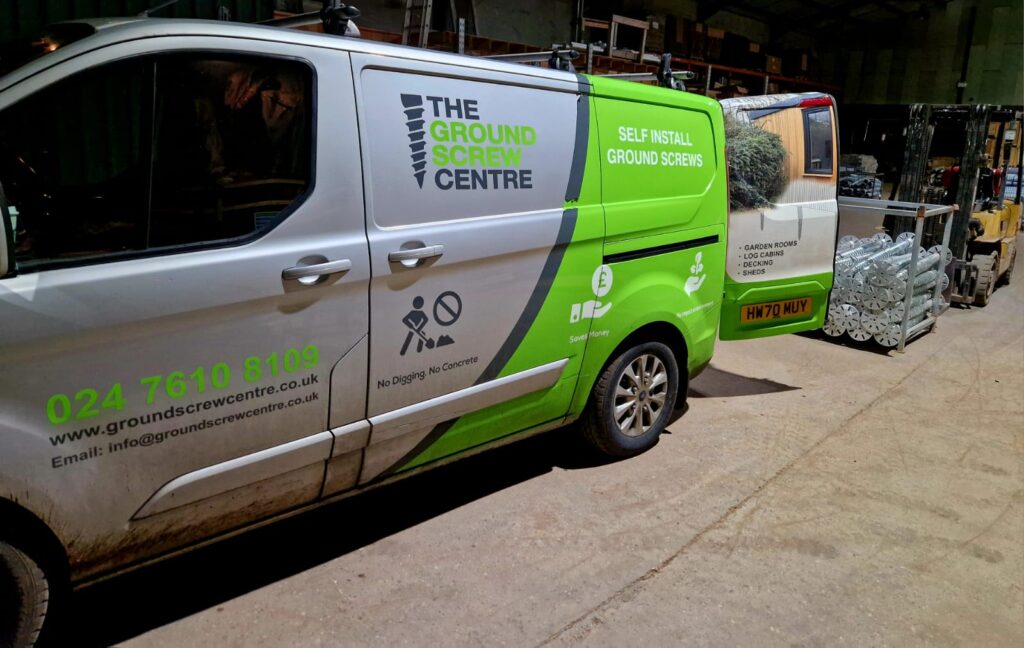
Ground screws make perfect sense for garden room foundations. They’re quick to install, don’t disrupt your garden, and often cost less than concrete bases.
Plus, they provide the solid support your garden room needs to stay level and stable for years.
At Screw Foundations UK, we supply everything you need for your garden room foundation – from the ground screws themselves to brackets and installation tools.
Our team can help you choose the right components or handle the entire installation for you.
Feeling ready to start your garden room project? Here’s what you can do:
All our products come with a 20-year guarantee, and our expert team is here to help with any queries or questions. Get in touch today to begin your project.